Onsen towns in Japan are serene, picturesque destinations known for their natural hot springs, which have been cherished for centuries for their therapeutic qualities.
Nestled in mountainous regions or along the coast, these towns offer a peaceful retreat from the hustle and bustle of everyday life. Visitors can unwind in outdoor baths, known as rotenburo, with scenic views of nature, while indulging in the soothing mineral-rich waters that are believed to promote health and relaxation.
Popular onsen towns such as Hakone, Kinosaki, and Kusatsu combine the charm of traditional ryokan inns, which often feature private baths, with local cultural experiences like enjoying kaiseki meals or exploring nearby shrines and forests. The combination of natural beauty, wellness, and hospitality makes these towns a beloved aspect of Japanese tourism and culture.
Kusatsu Onsen
Gunma
(3 hours from Tokyo)
Gunma
(3 hours from Tokyo)
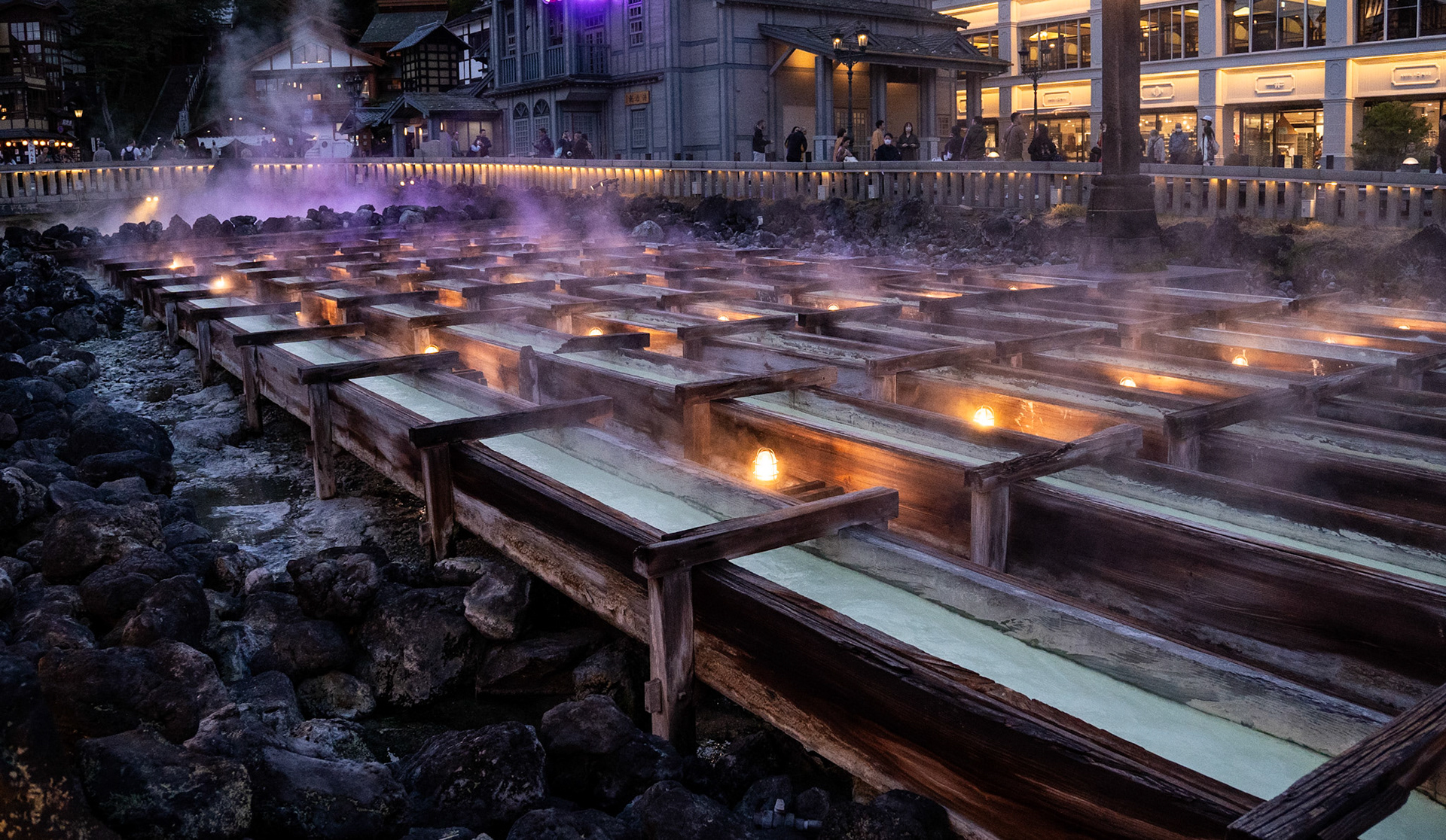
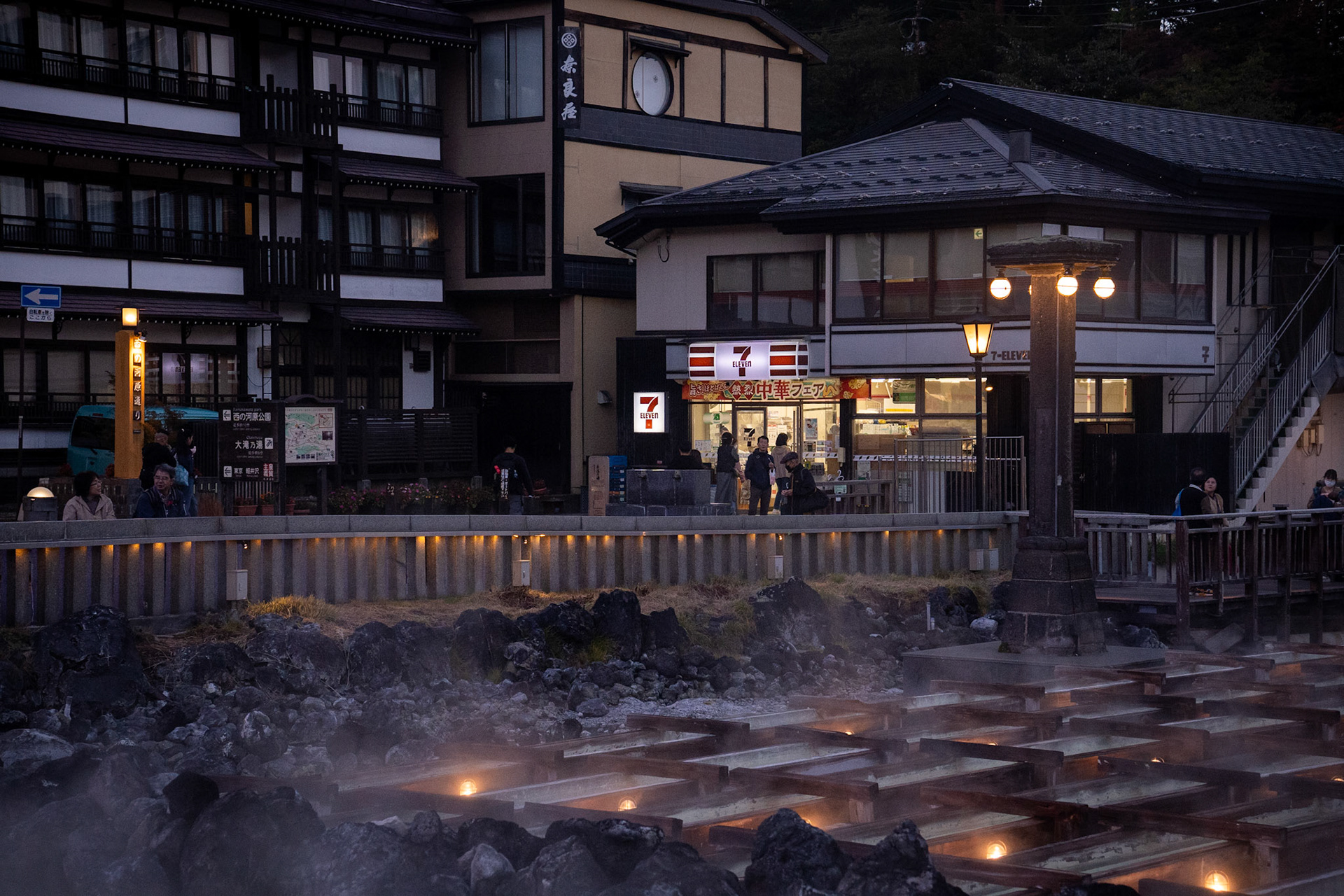
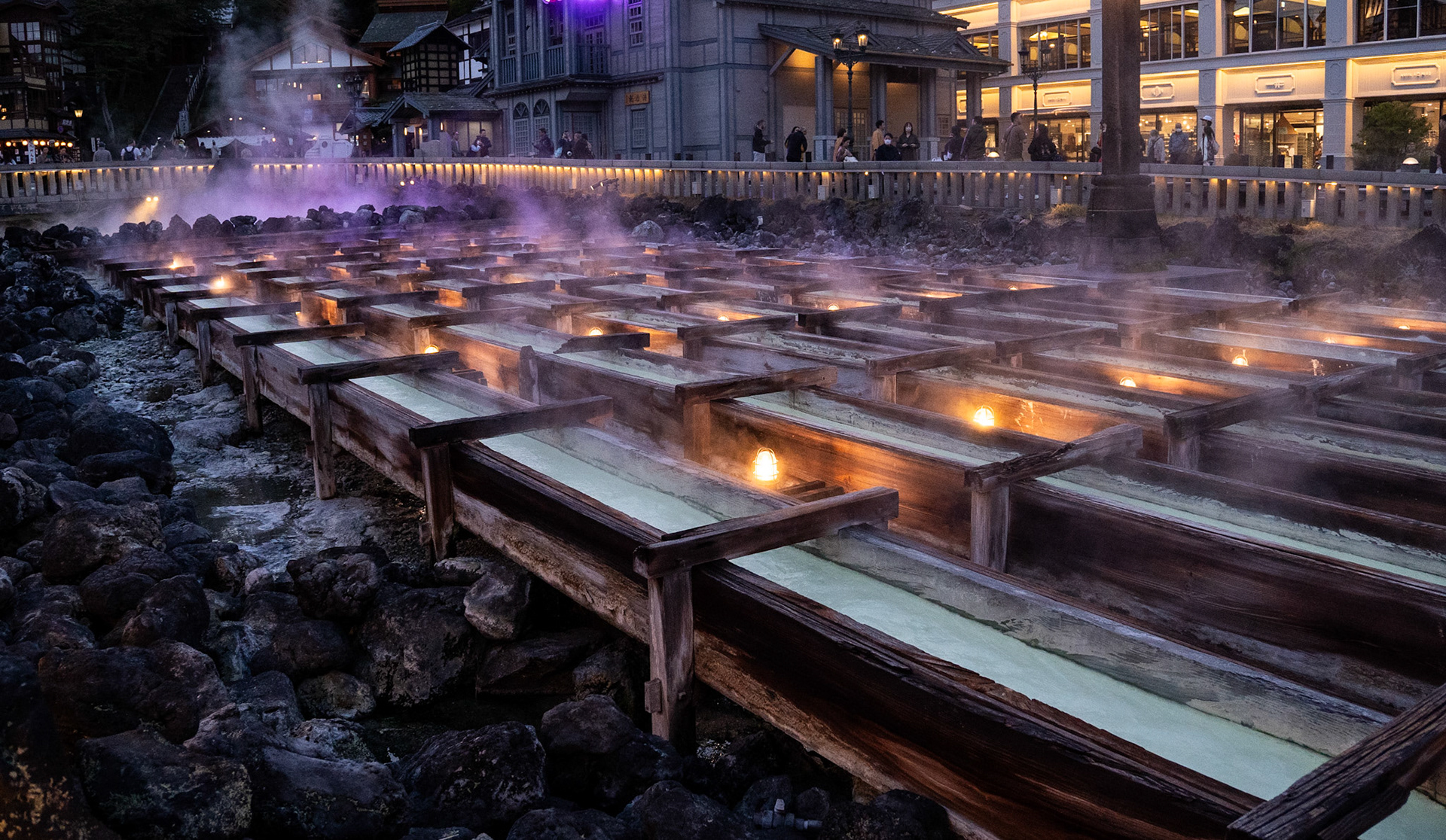
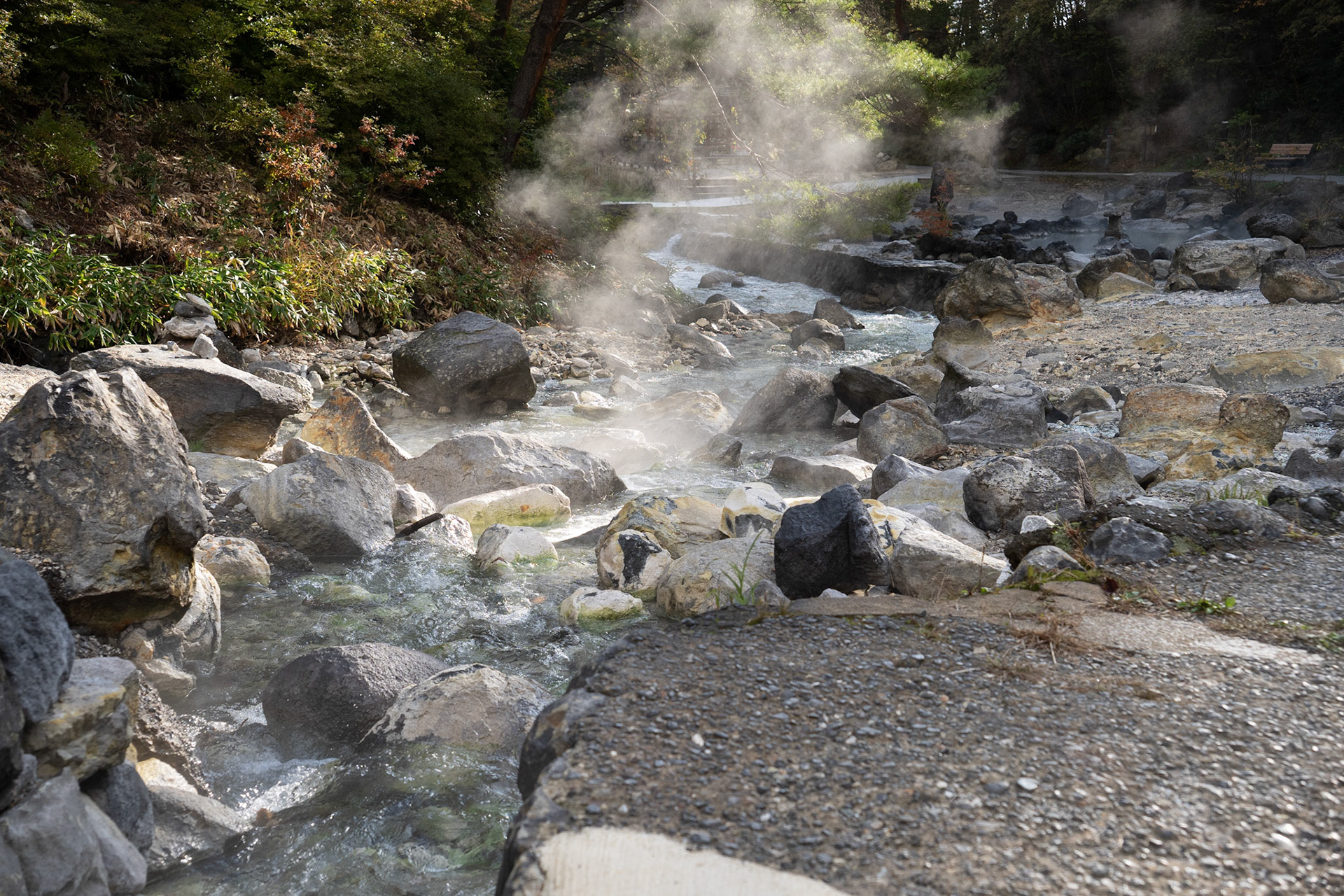
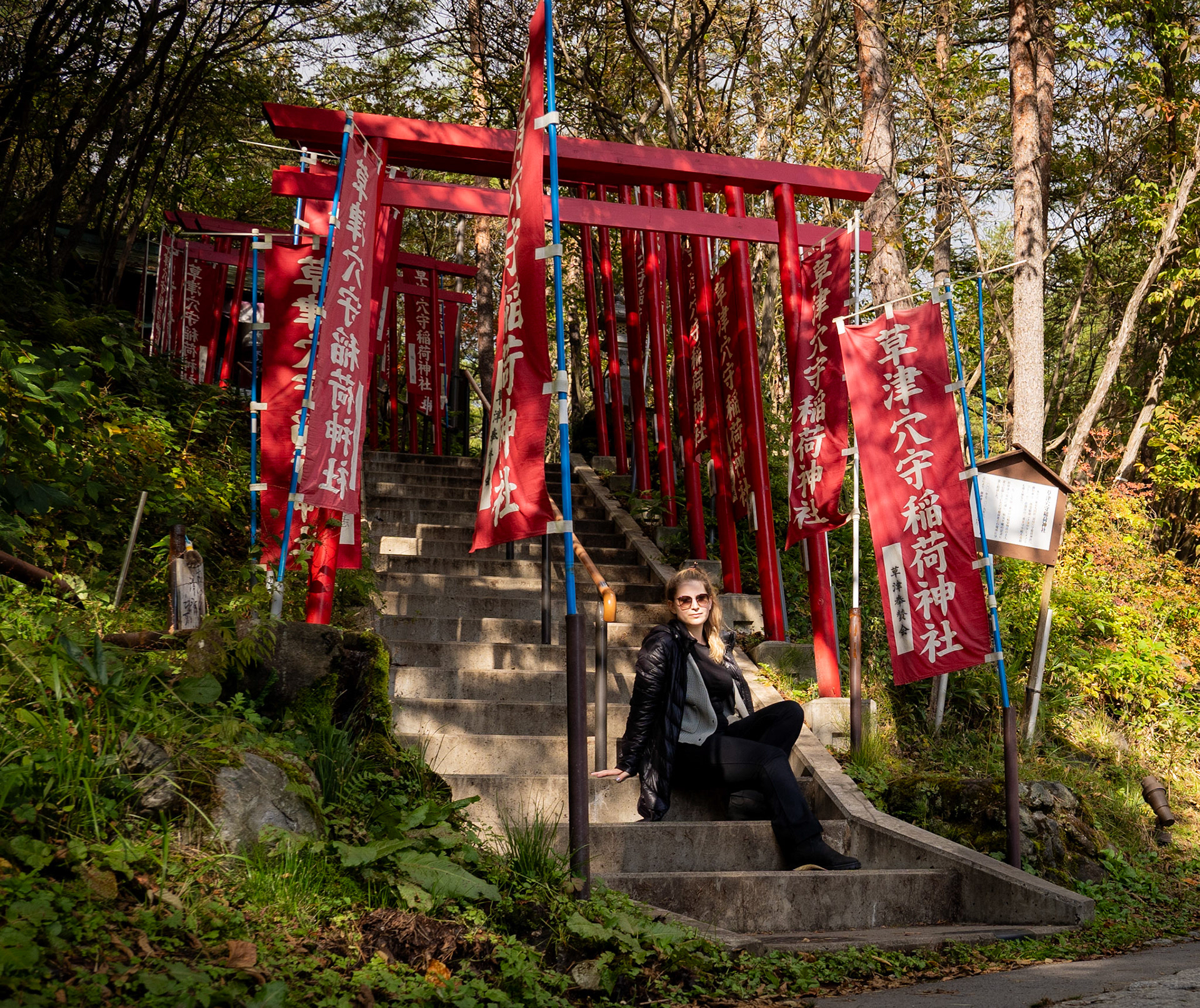
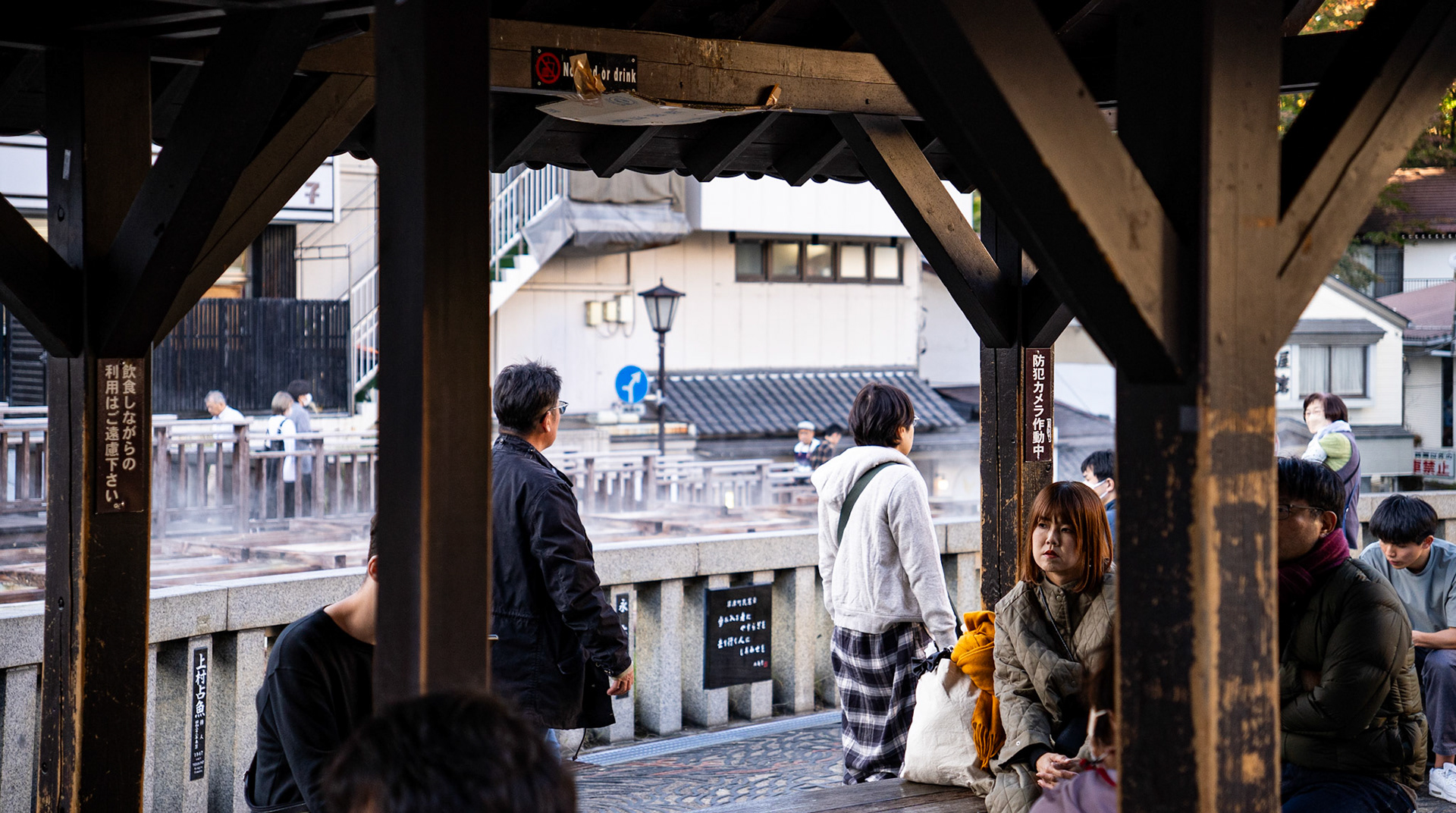
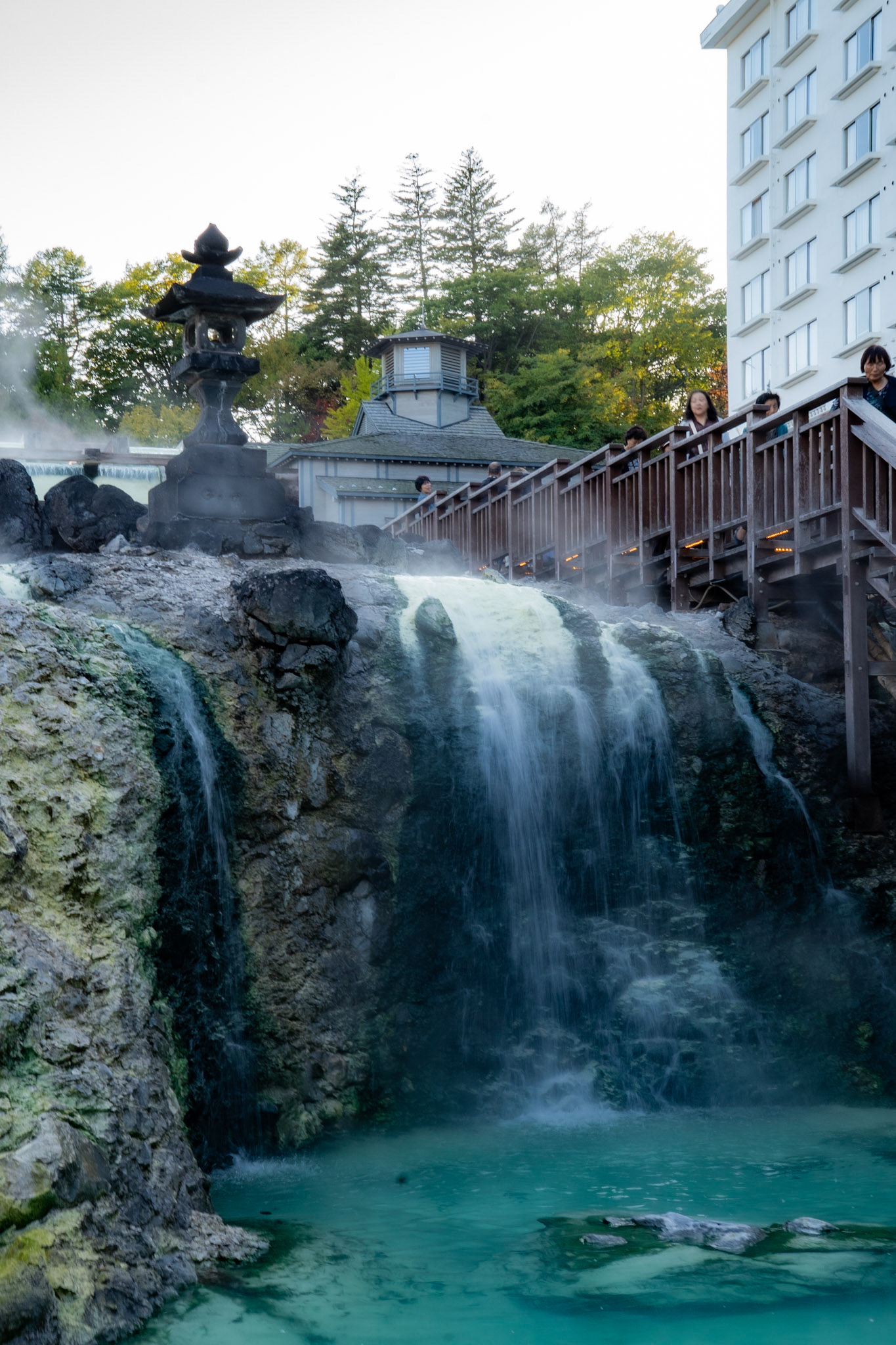
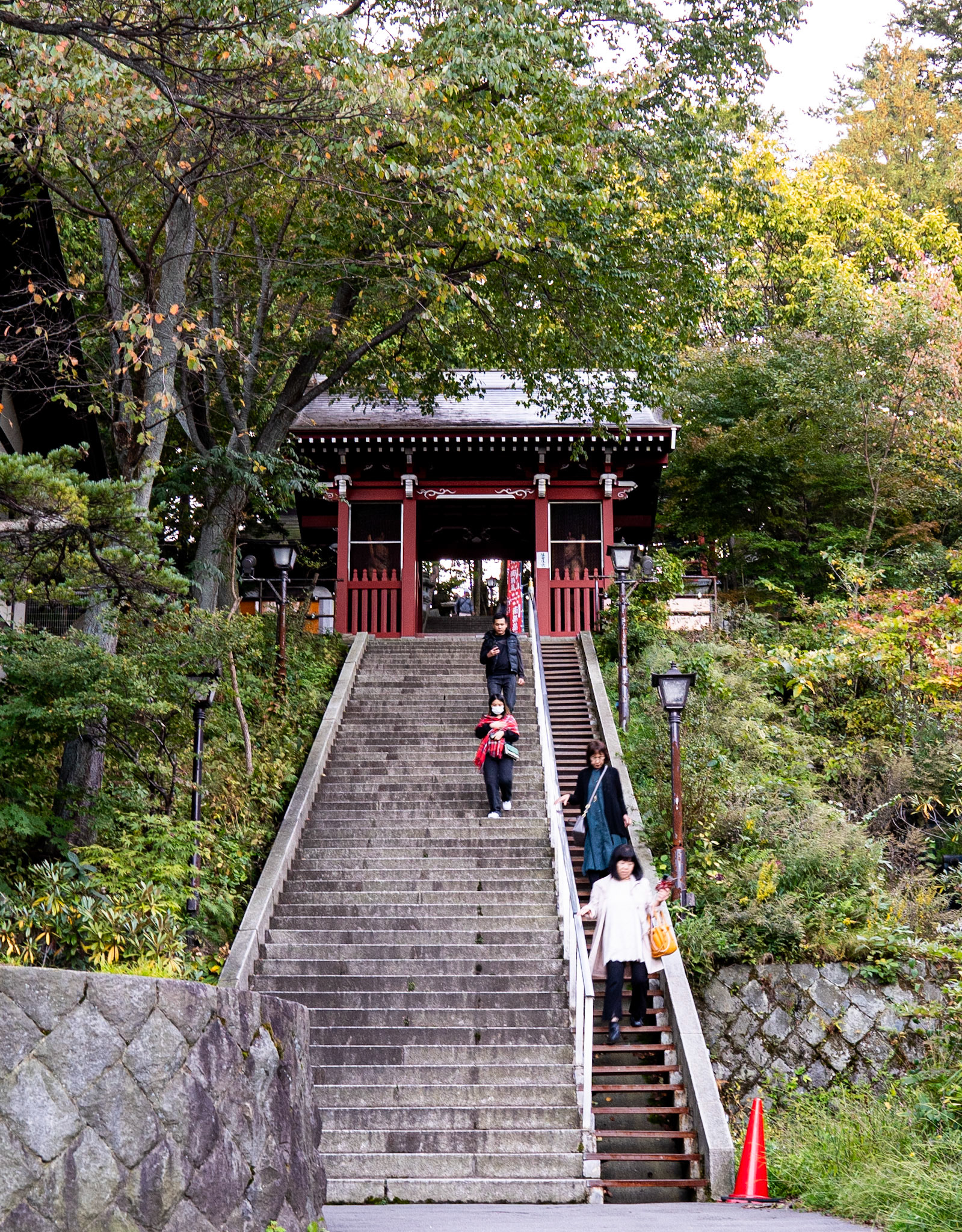
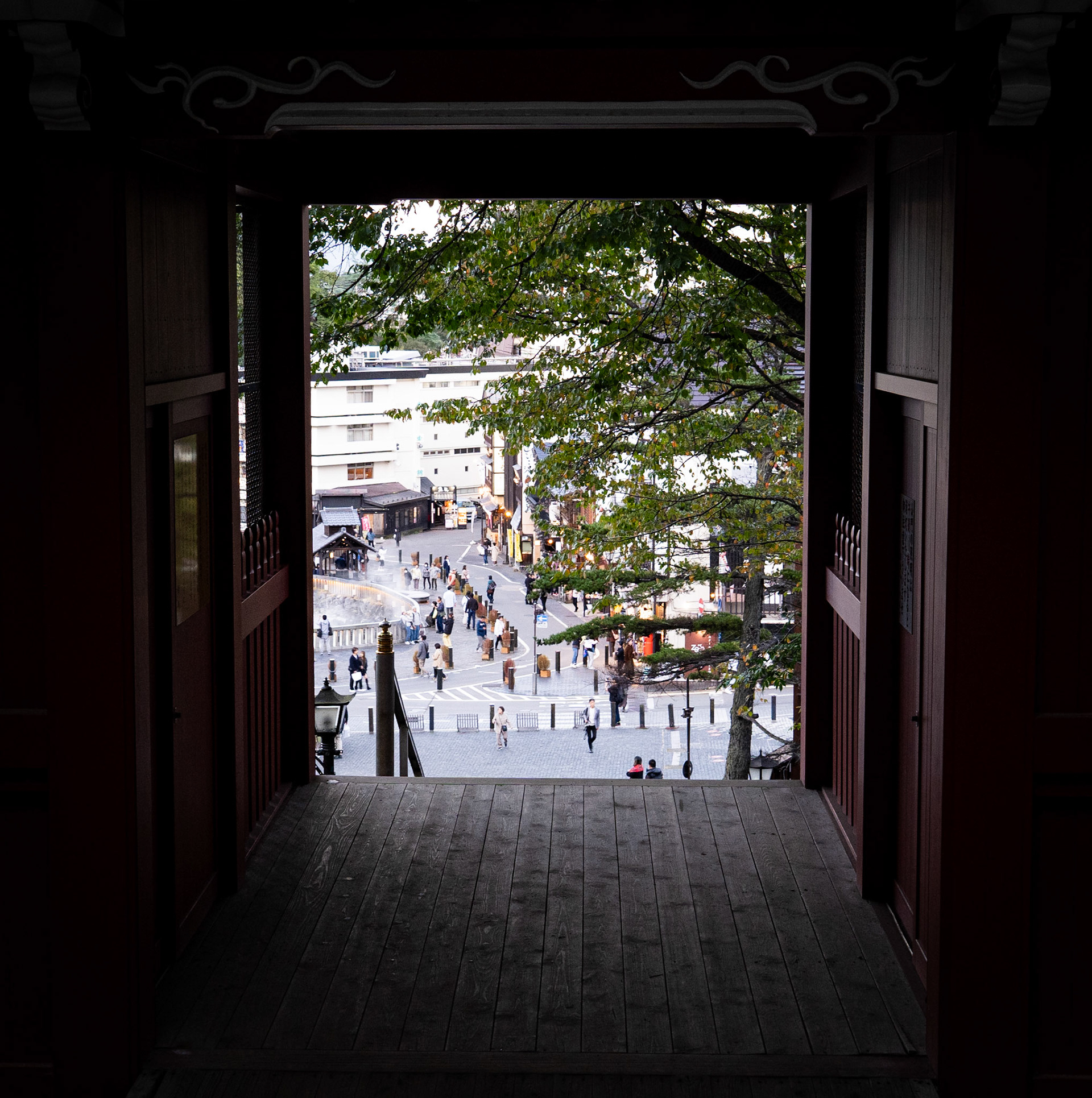
Kusatsu Onsen, located in Gunma Prefecture, is one of Japan's most famous hot spring resorts, known for its high-quality, sulfur-rich waters and scenic beauty. The town's iconic Yubatake (Hot Water Field) is a striking symbol of the area, where steaming waters cascade down wooden channels. Visitors can relax in both public and private baths, as well as enjoy the unique experience of walking around in yukata and exploring the nearby mountains. Kusatsu is easily accessible from Tokyo by public transportation: a trip typically takes about 3 to 3.5 hours. You can take the JR Shinkansen to Takasaki Station and then transfer to a local bus to reach the onsen town.
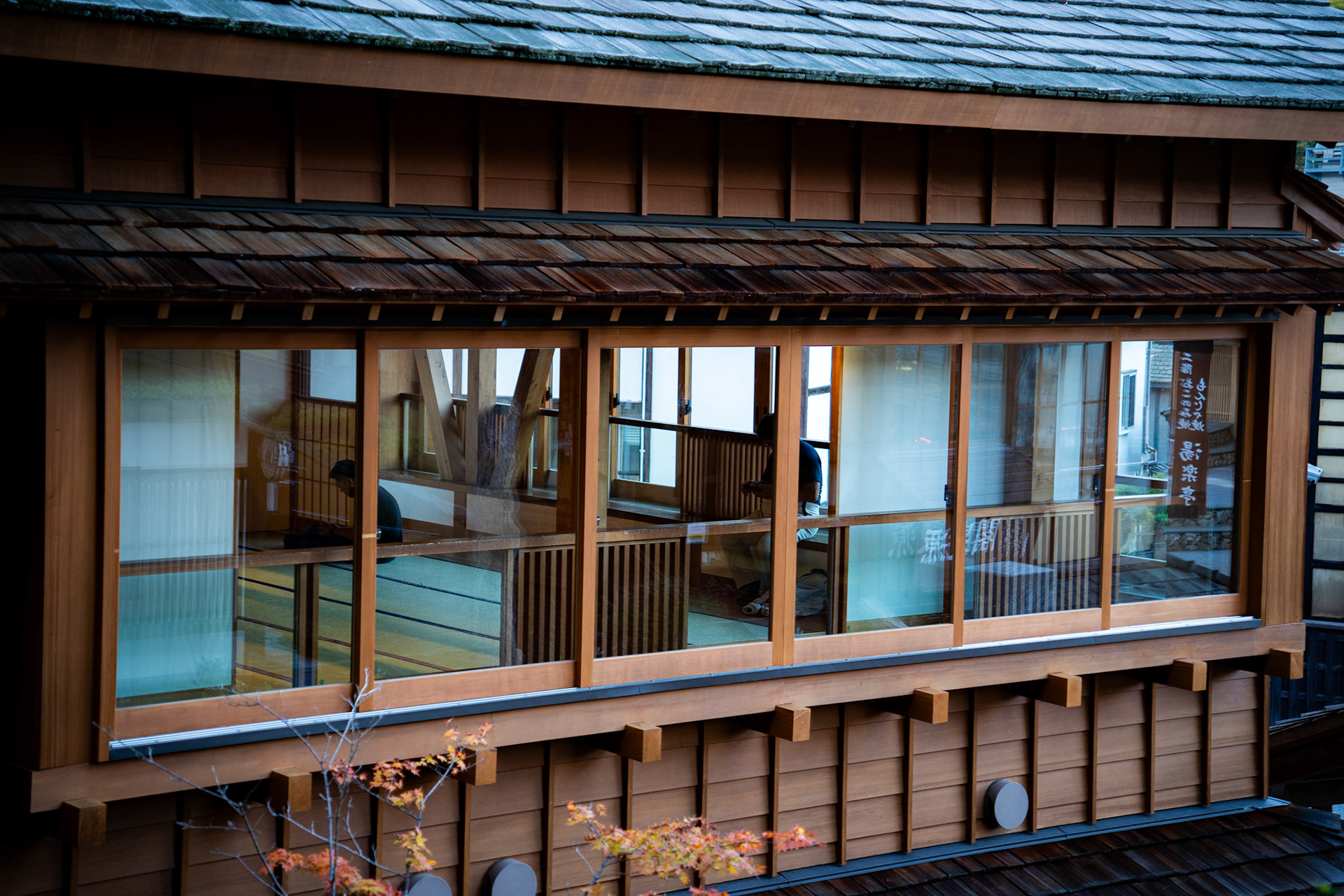
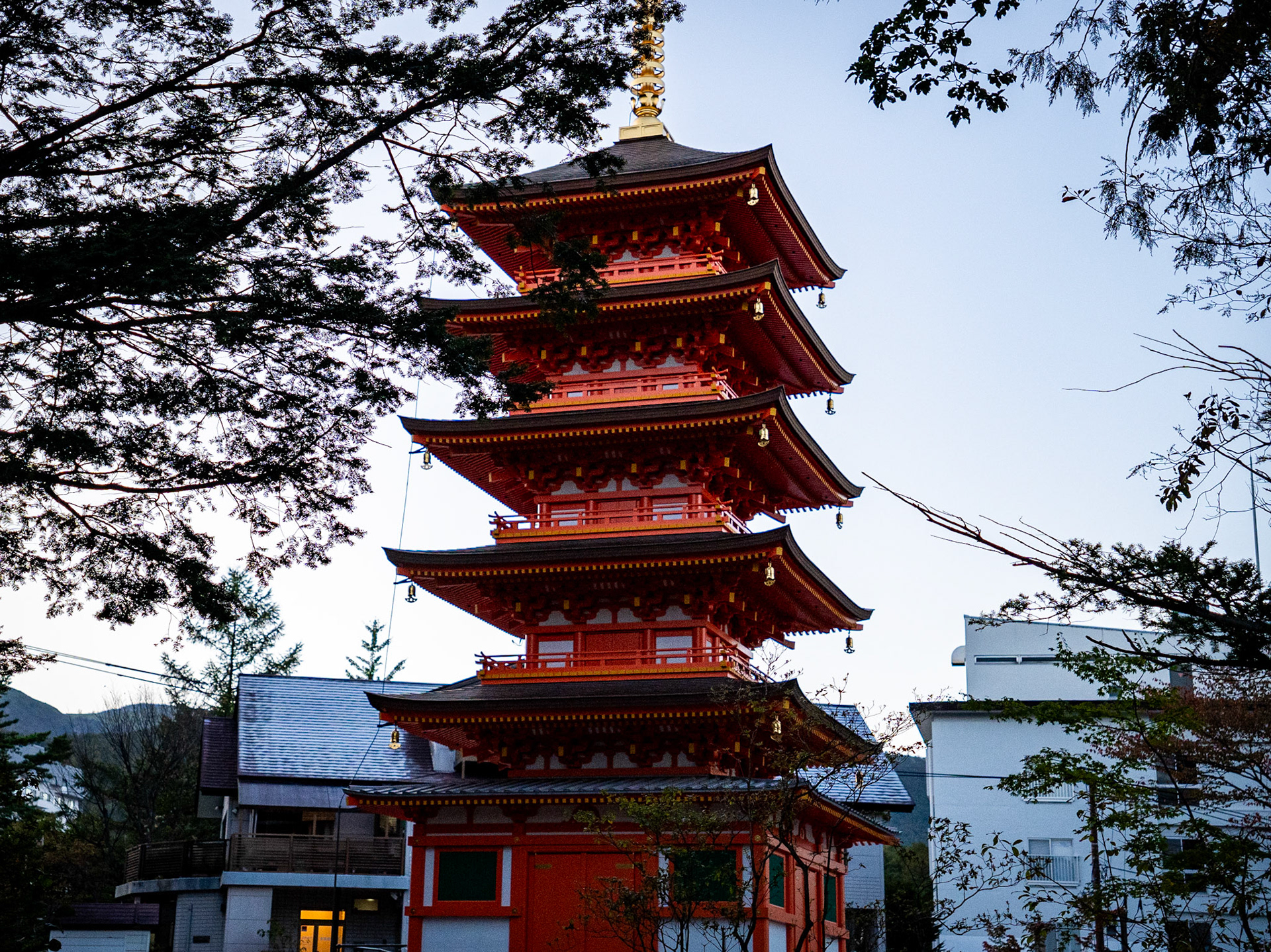
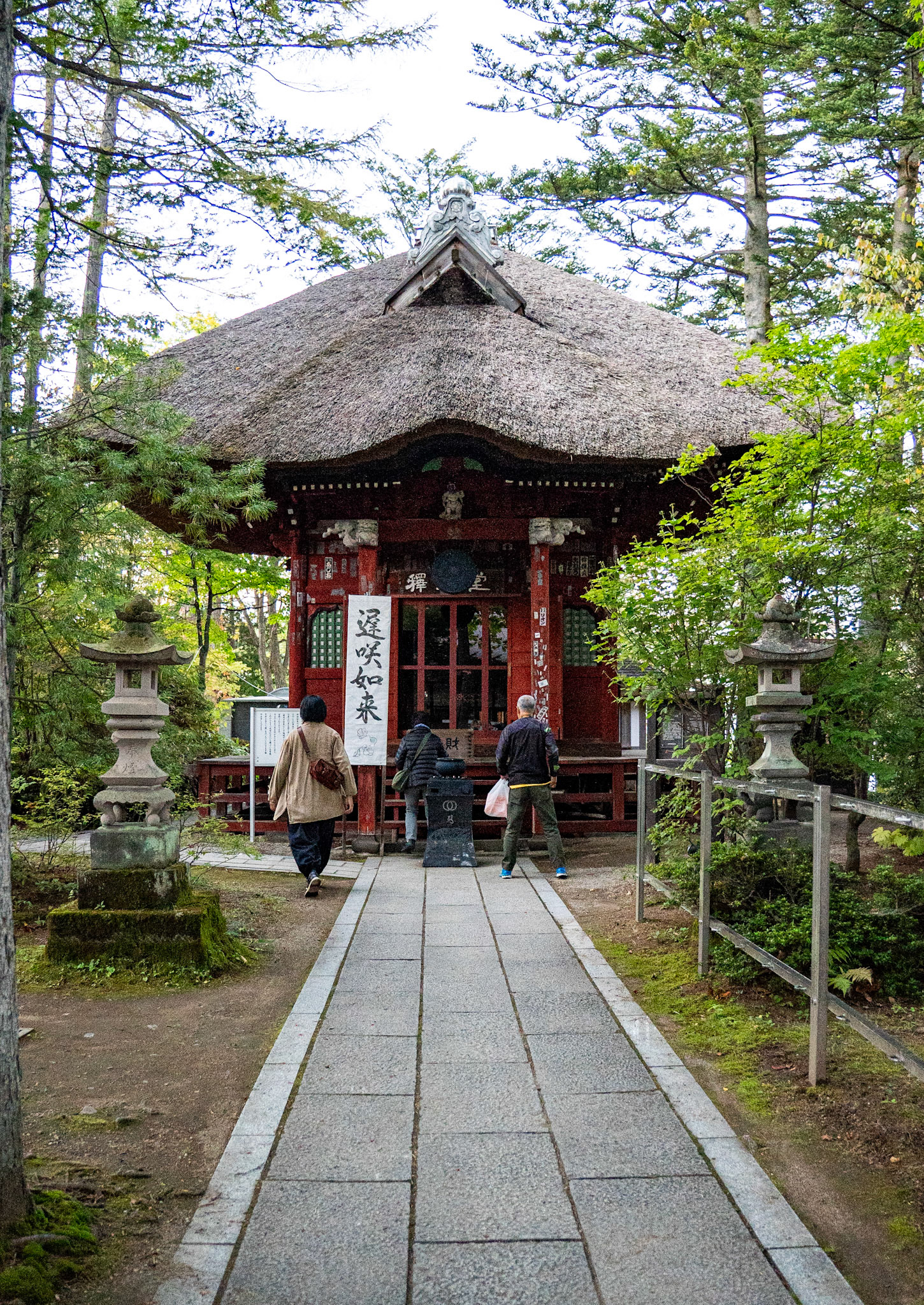






Kinosaki Onsen
Hyogo
(<3 hours from Kyoto or Himeji)
Hyogo
(<3 hours from Kyoto or Himeji)
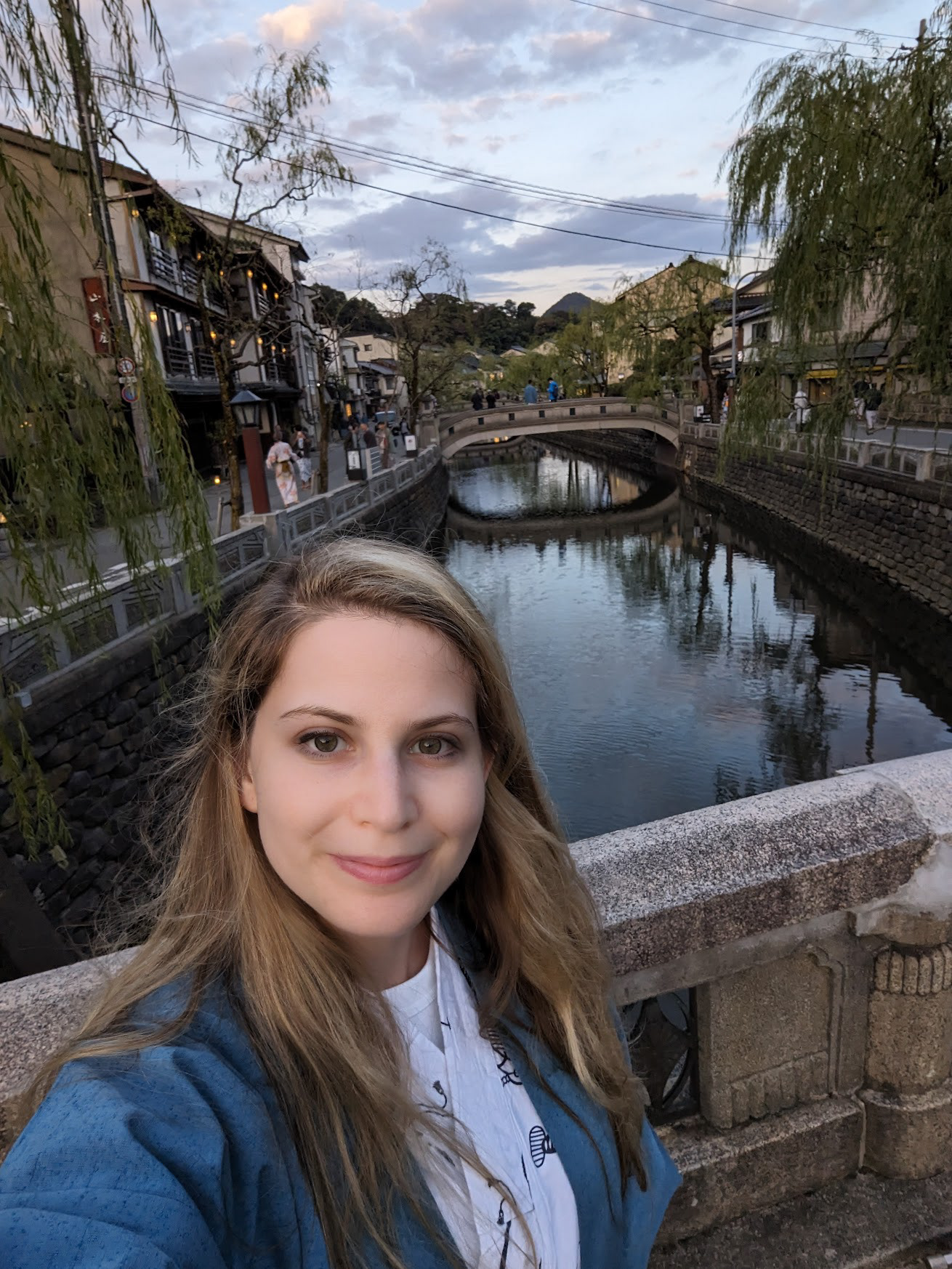
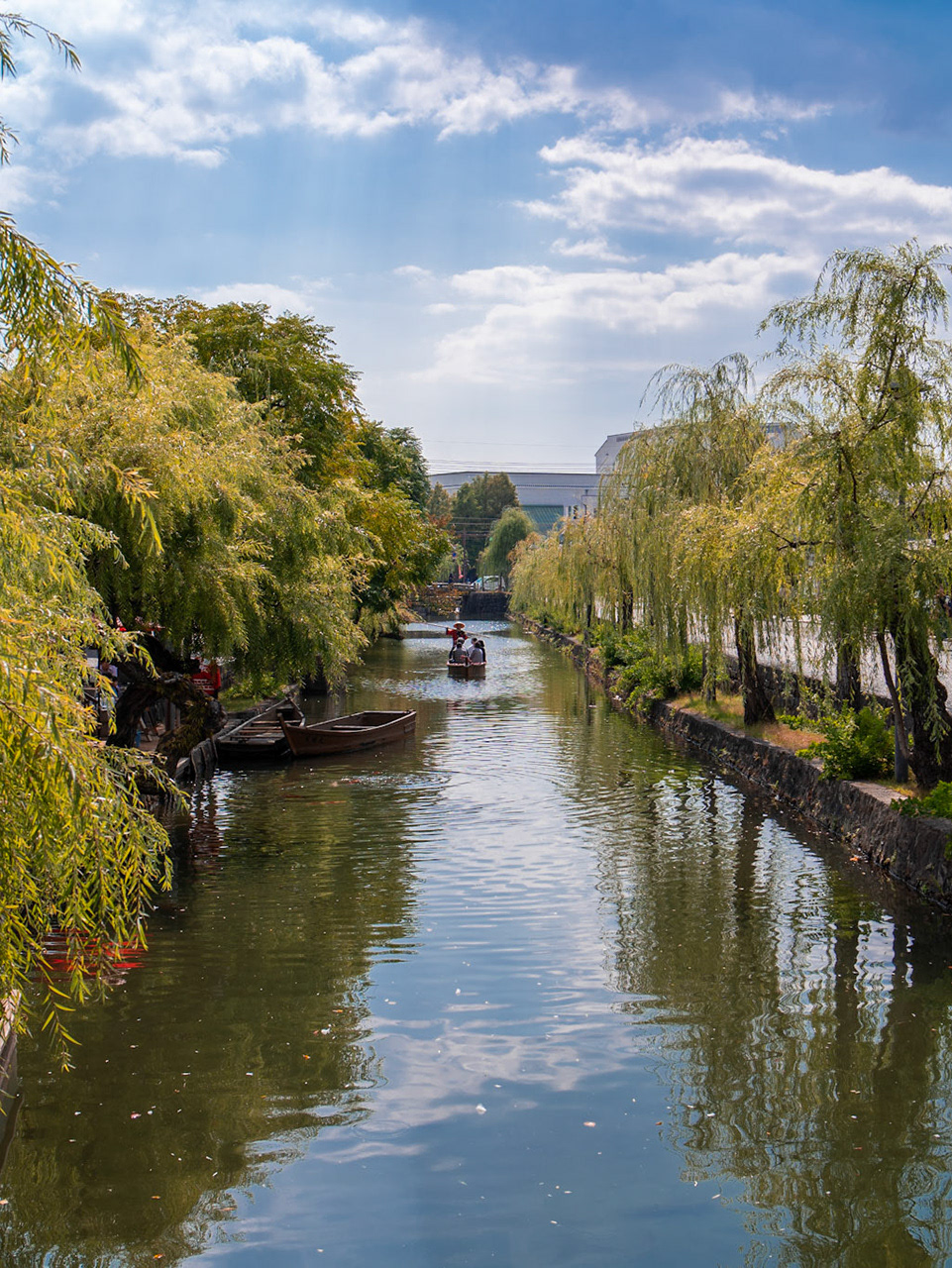
Kinosaki Onsen ended up being one of my favorite stops in Japan when I went in 2023, and it’s a place I often recommend to my clients for the same reasons. I loved how easy it was to get there, under three hours from both Himeji and Kyoto, and how seamless the arrival felt, since you step off the train and you’re immediately in town. It strikes that perfect balance of an authentic, quaint Japanese village with beautiful nature, engaging activities, and wonderful ryokans, all in one walkable setting. It’s calm, charming, and thoughtfully put together in a way that makes slowing down feel natural, which is exactly why it works so well for so many different types of travelers.
I spent one night in Kinosaki Onsen, and I had just enough to do before I headed back on the 3pm train to Kyoto. Here is what I would recommend in Kinosaki:
-Arrive around 3pm from either Kyoto or Himeji
-Check into your hotel/ryokan. Some ryokans might pick you up from the train station. But Kinosaki isn't big, so walking to your accommodation won't be too bad.
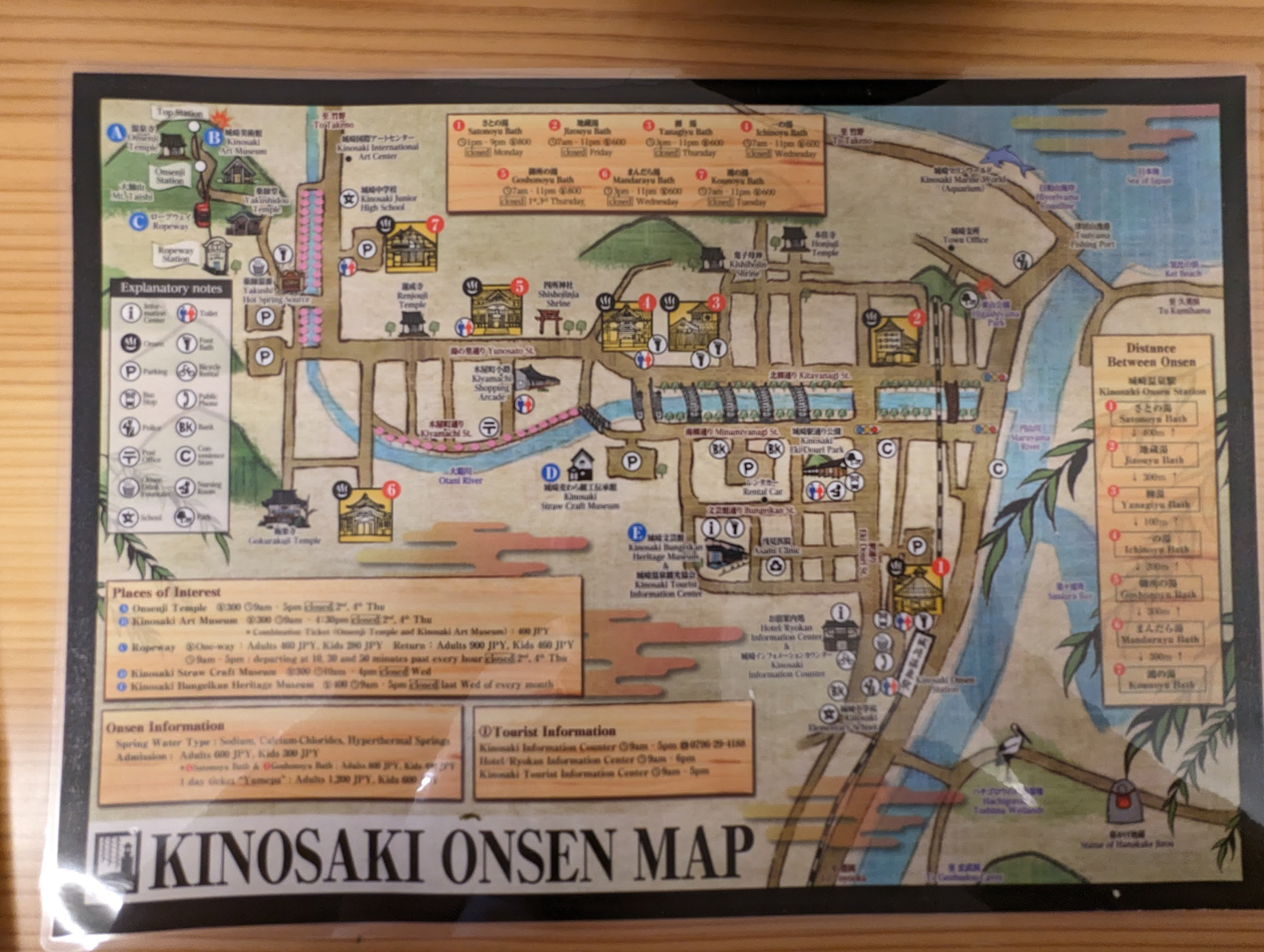
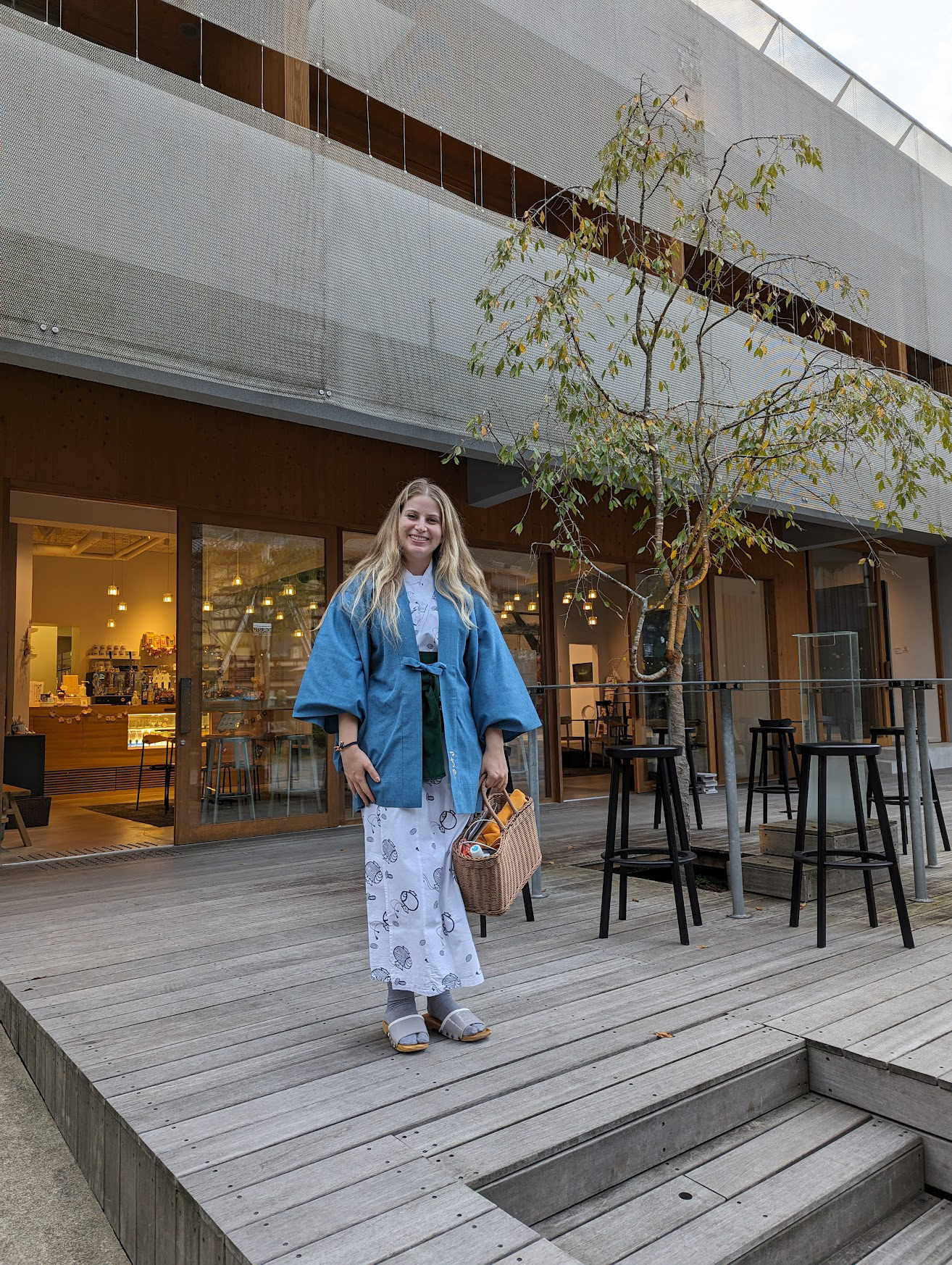
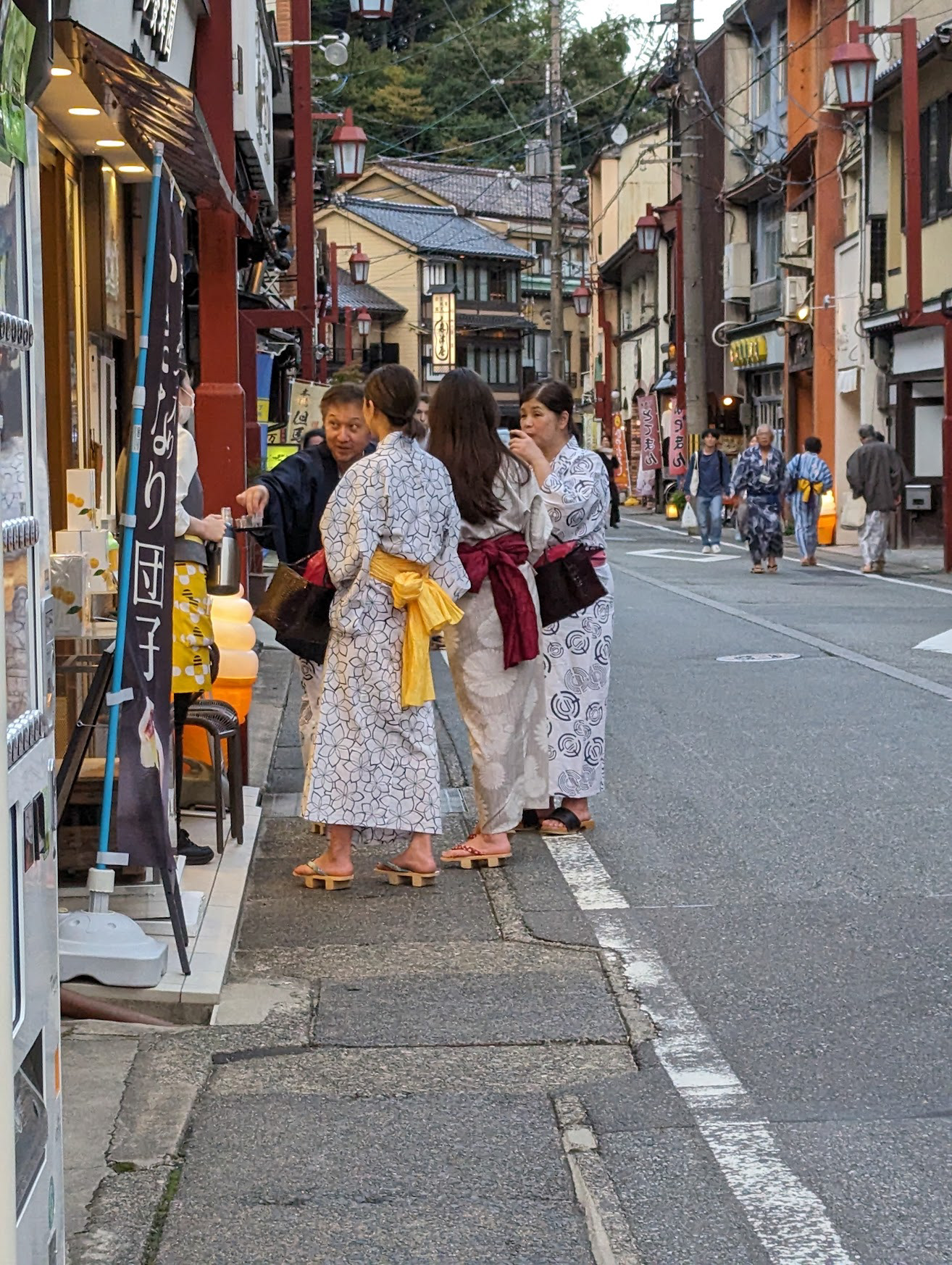
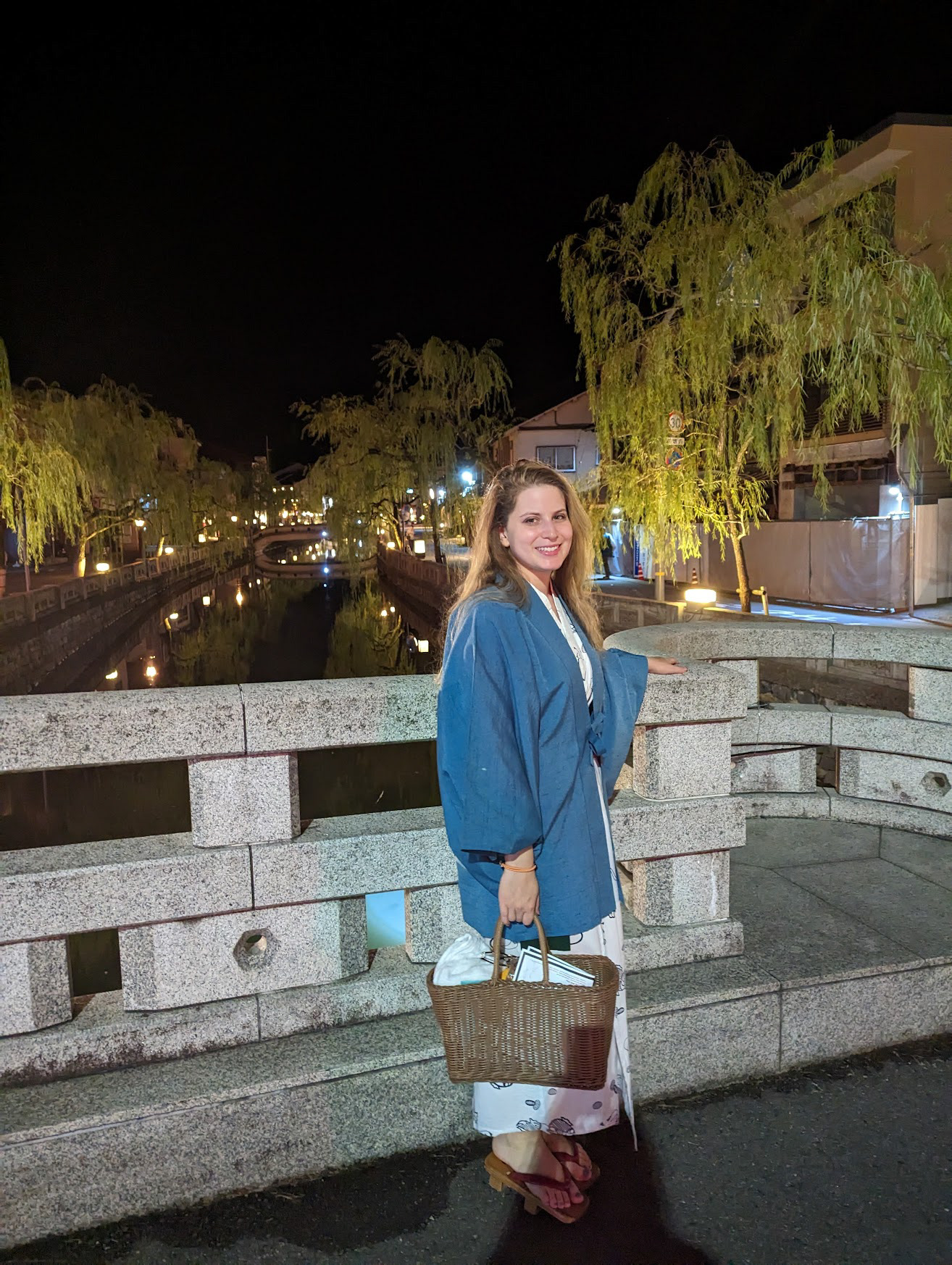
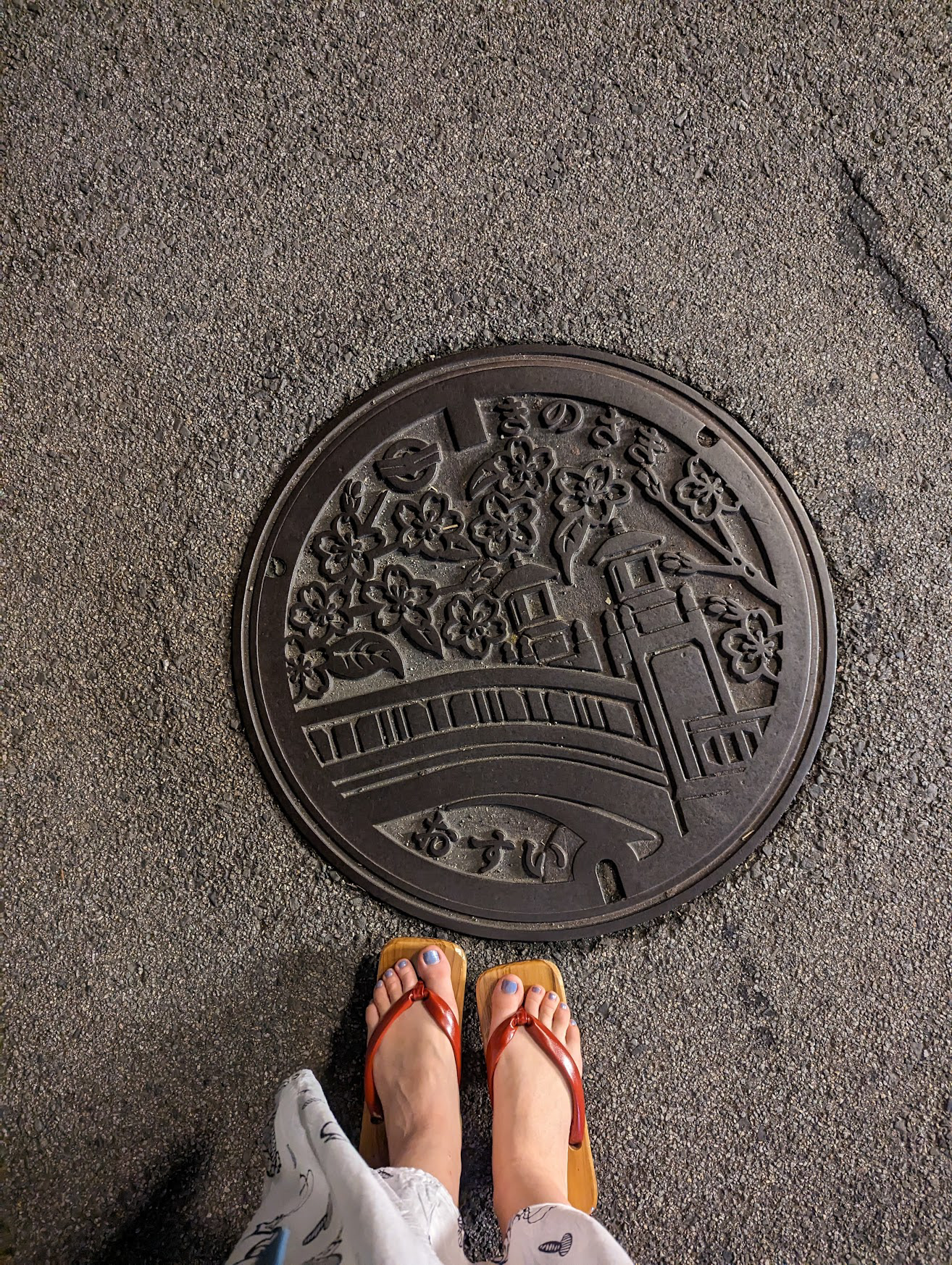
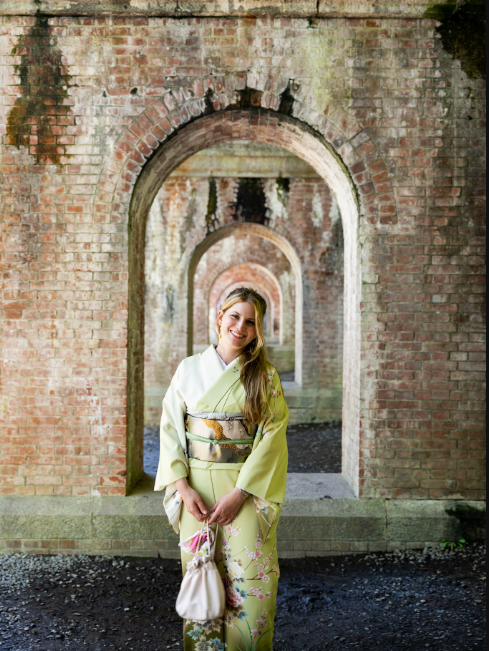
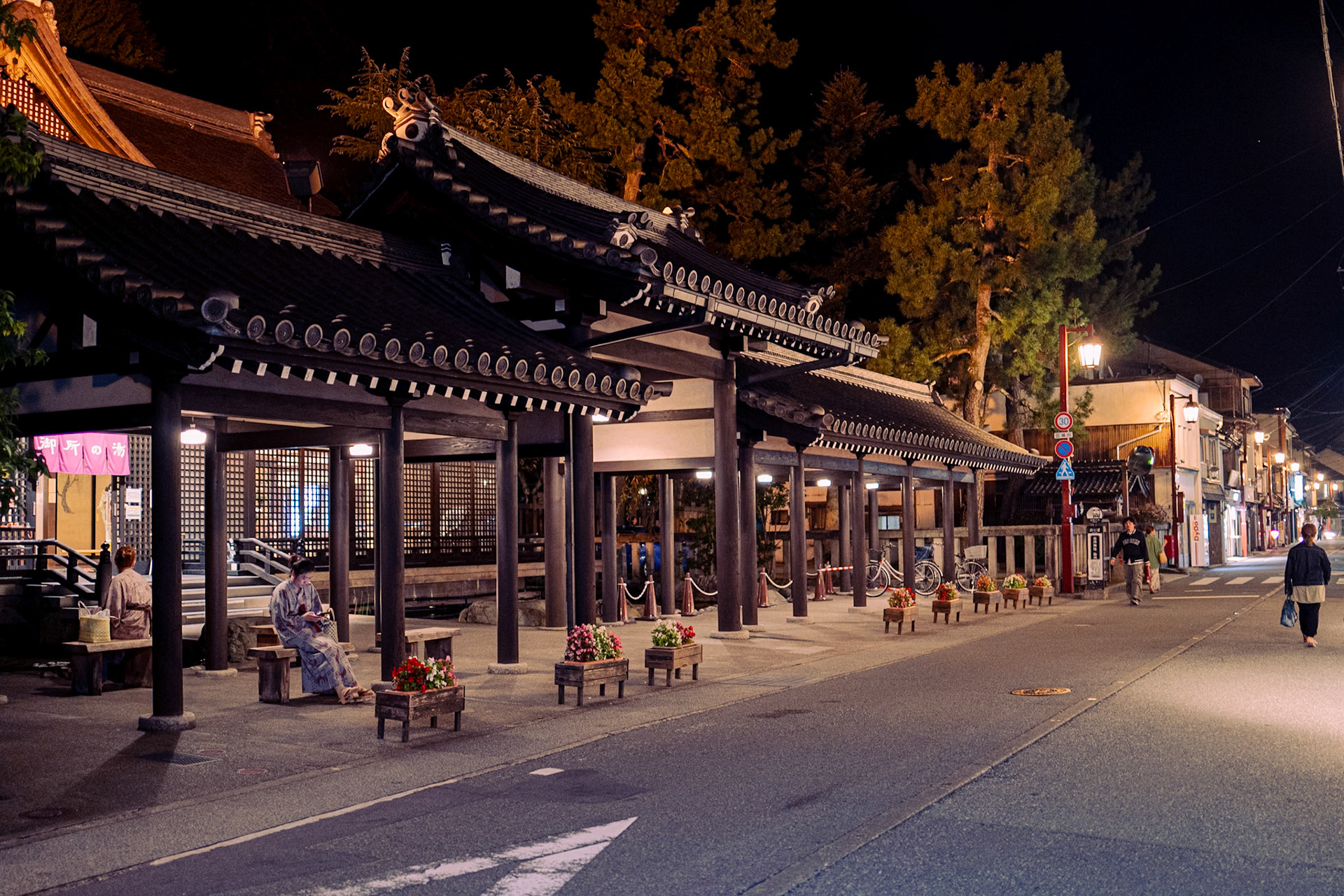
-Dress in your ryokan's yukata + geta (wooden sandals) and start your onsen crawl around town. There are 7 bathhouses in Kinosaki. Each one is different, and is worth trying. Your accommodation will likely give you a pass for the bathhouses.
-Have dinner. For kosher travelers, there aren't any kosher options here, but there is a Family Mart where you can buy some basic ingredients. I would recommend bringing food with you if you are not comfortable eating out vegetarian. (I didn't see any vegan spots. This is a small town).
-Take one last bath! The bathhouses are open late.
-Next day, take a morning stroll, and perhaps a morning bath at a bathhouse you missed the night before.
-Go up the ropeway to see Kinosaki and the Japan sea from above. You can take the ropeway back halfway down to Onsenji, the shrine on the mountain. It's an easy hike down to town from there.
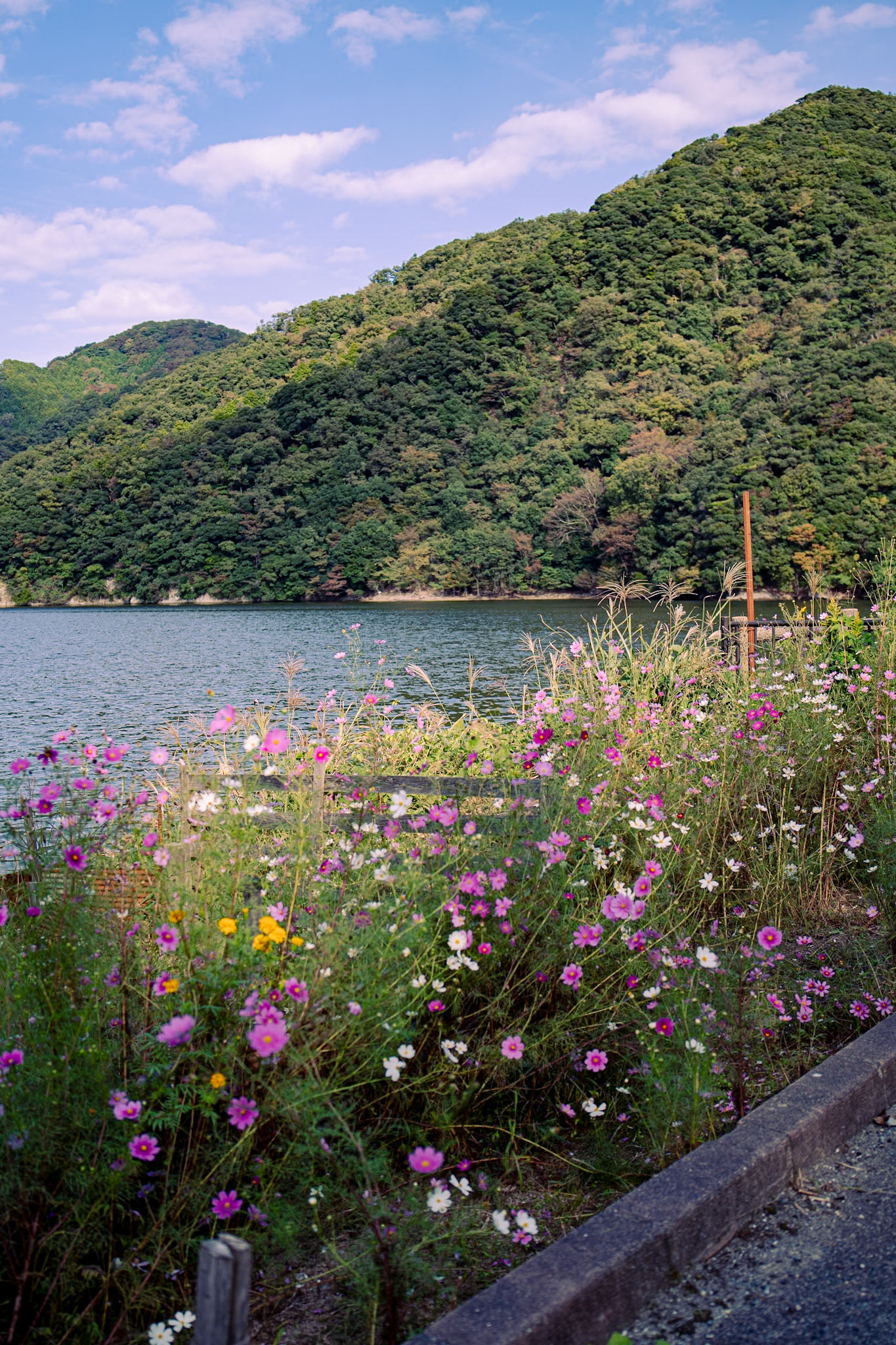
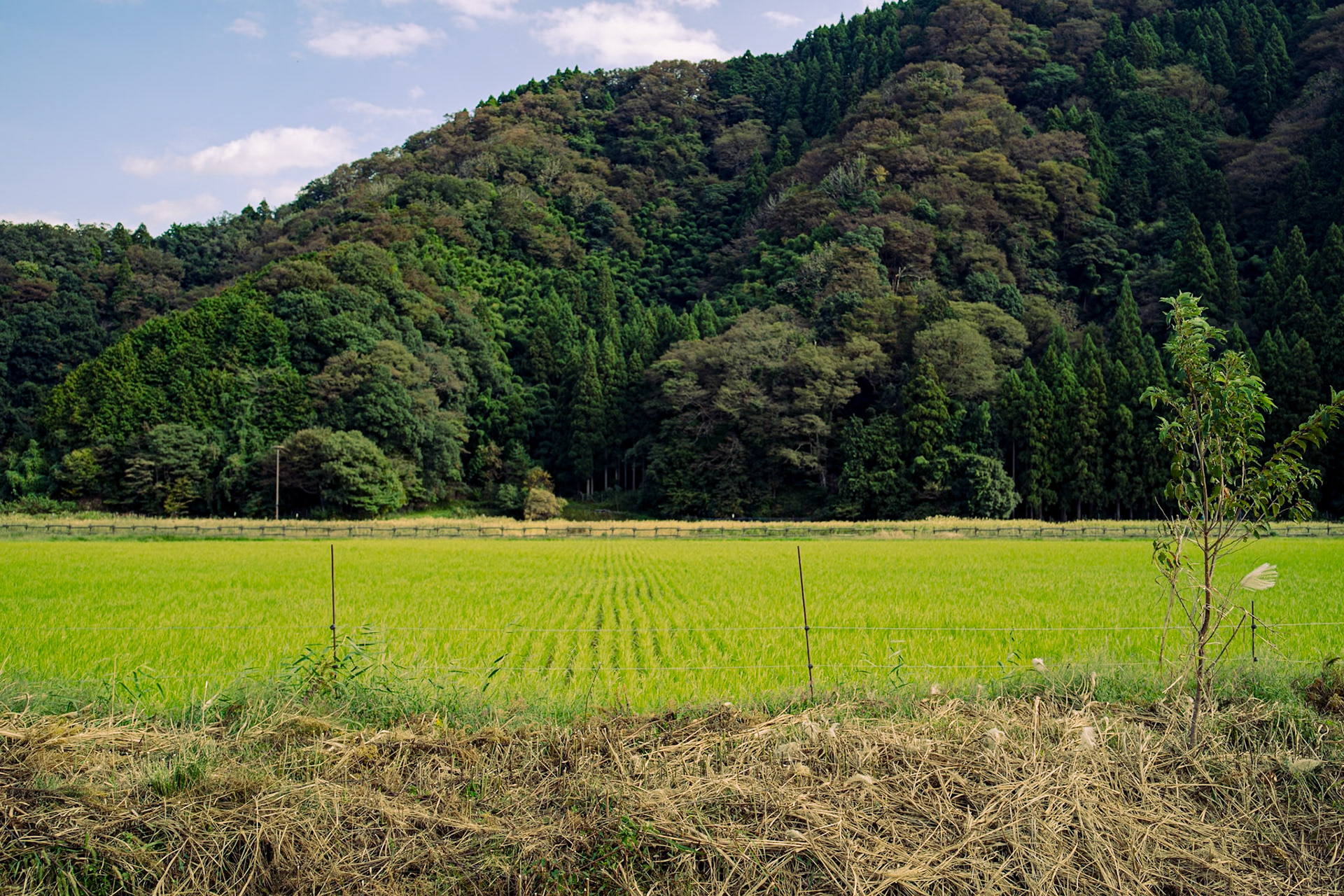
-Rent a bike from the tourist center! I did this when I had 1 hour before my train. My bags were held at the tourist center, and I rented a bike for 200 yen!! (I kid you not.) The surrounding area is beautiful! Just check out my photos.
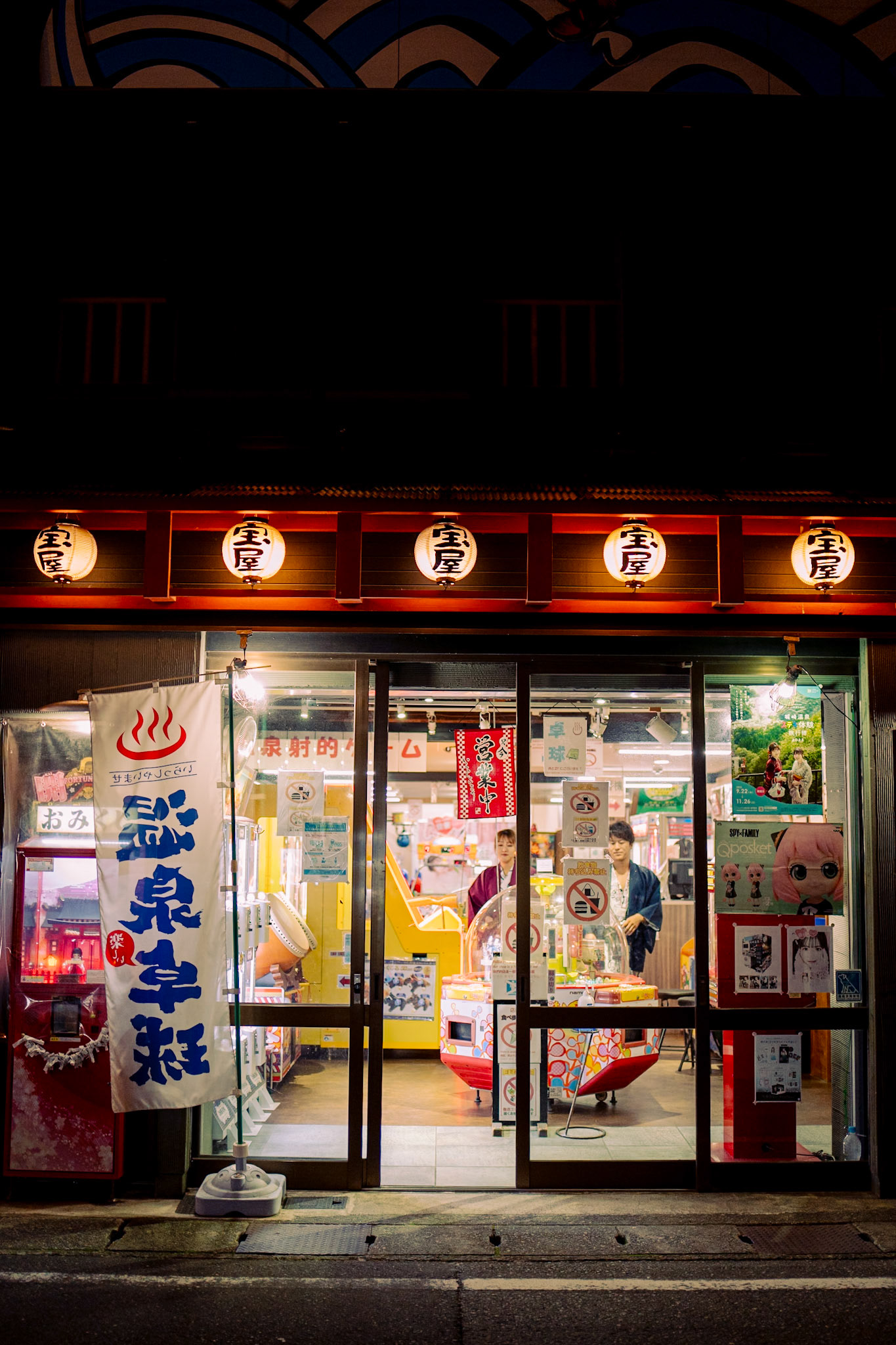
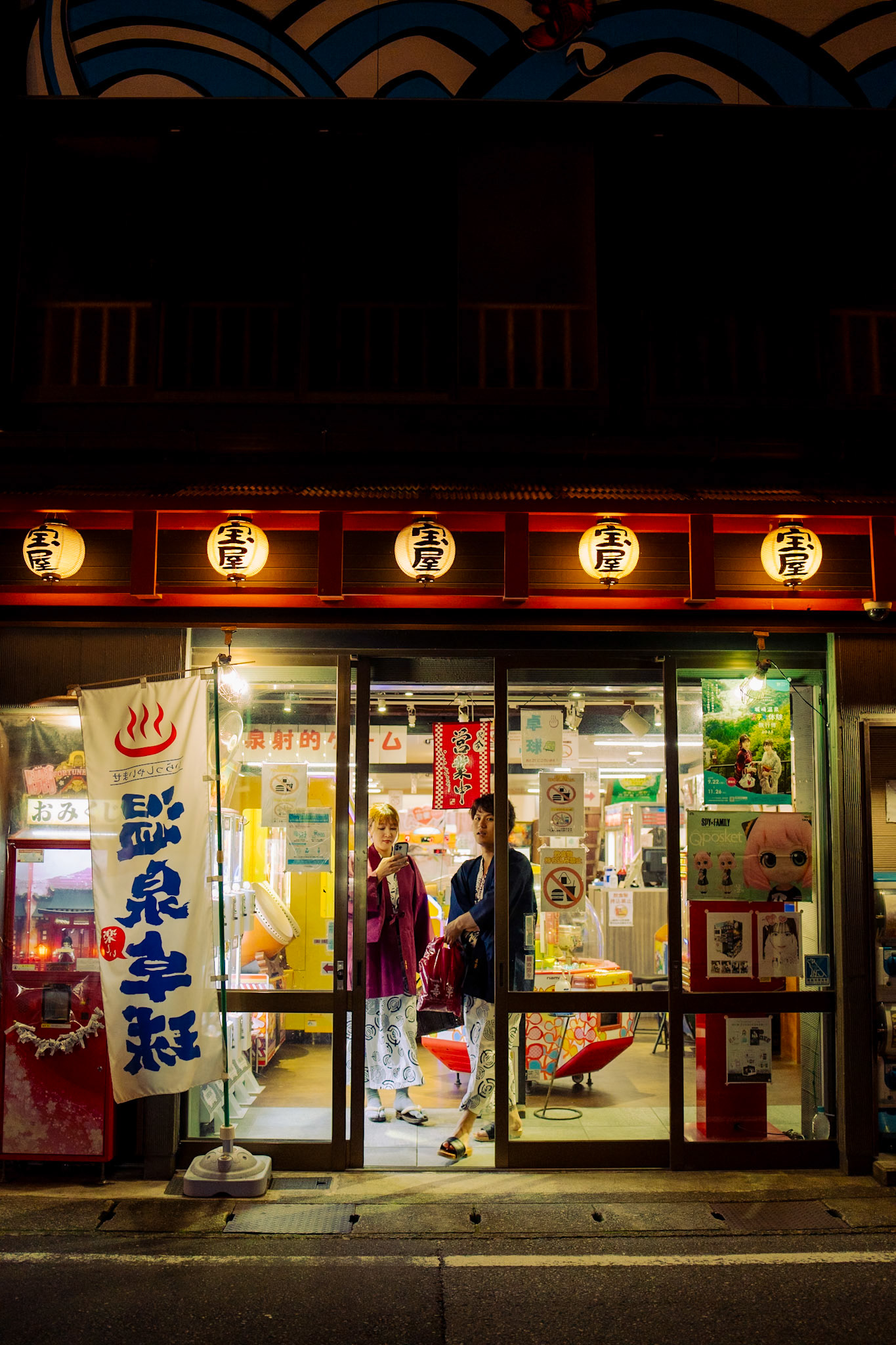
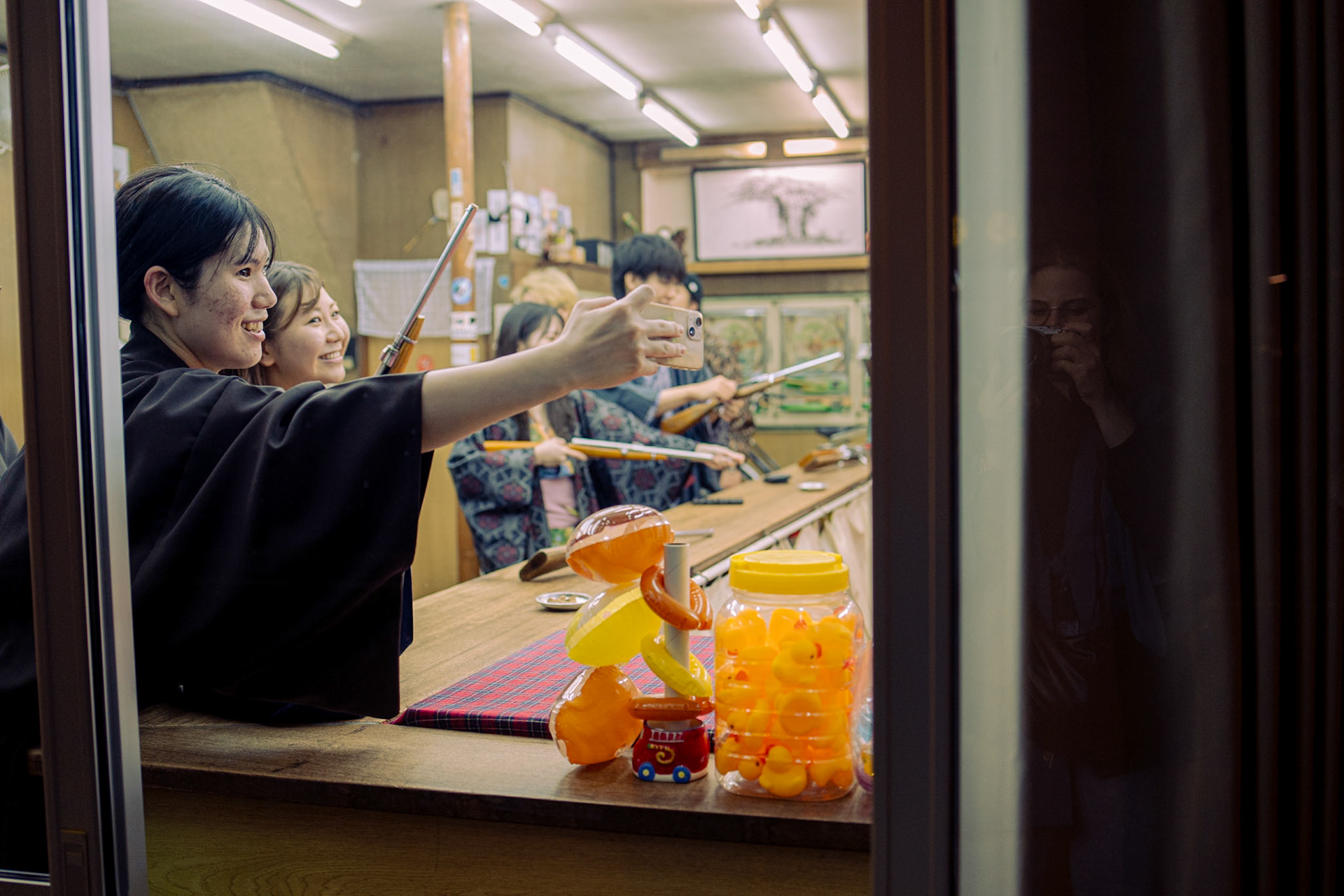
Retro games
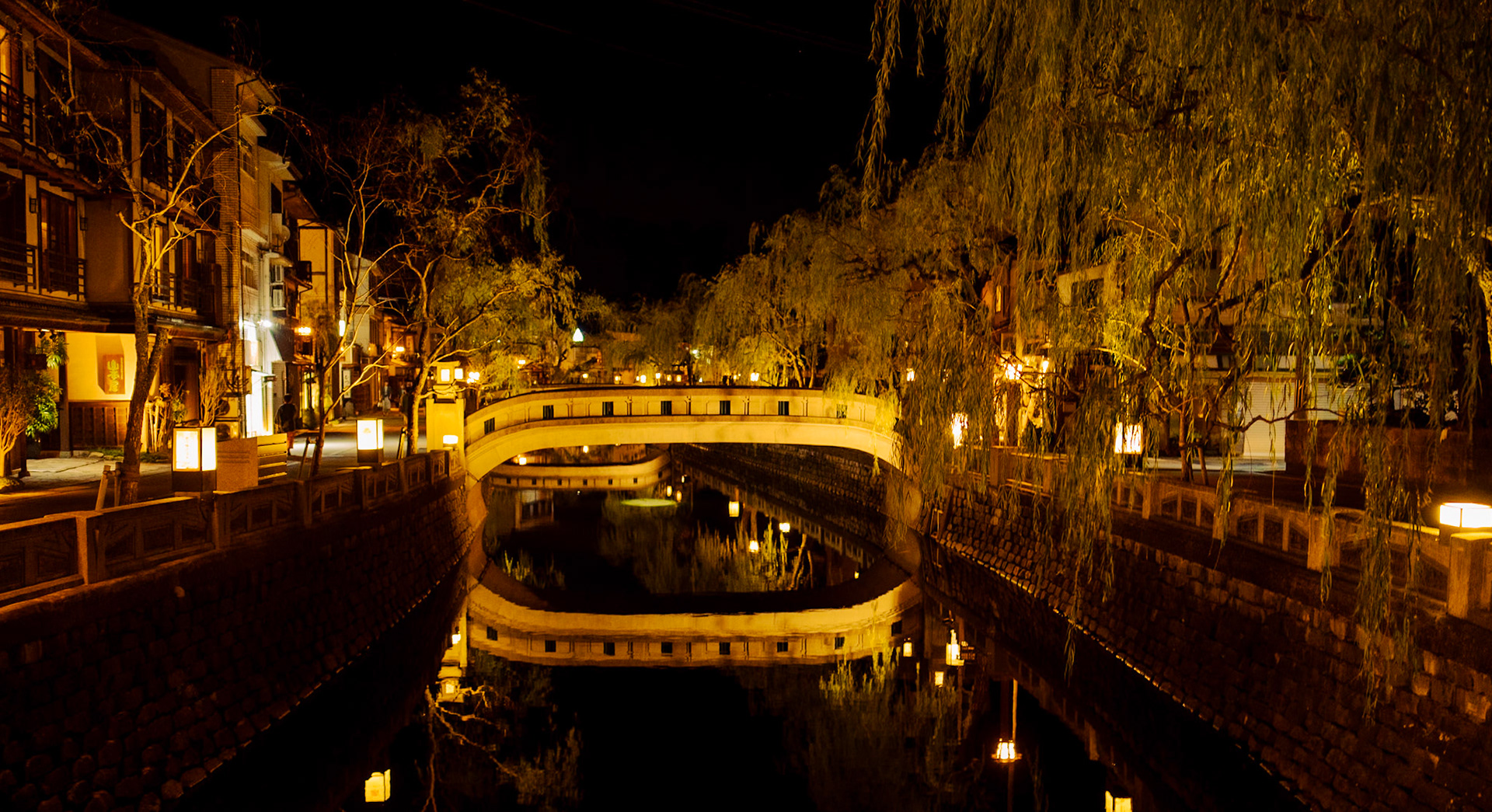
Main canal
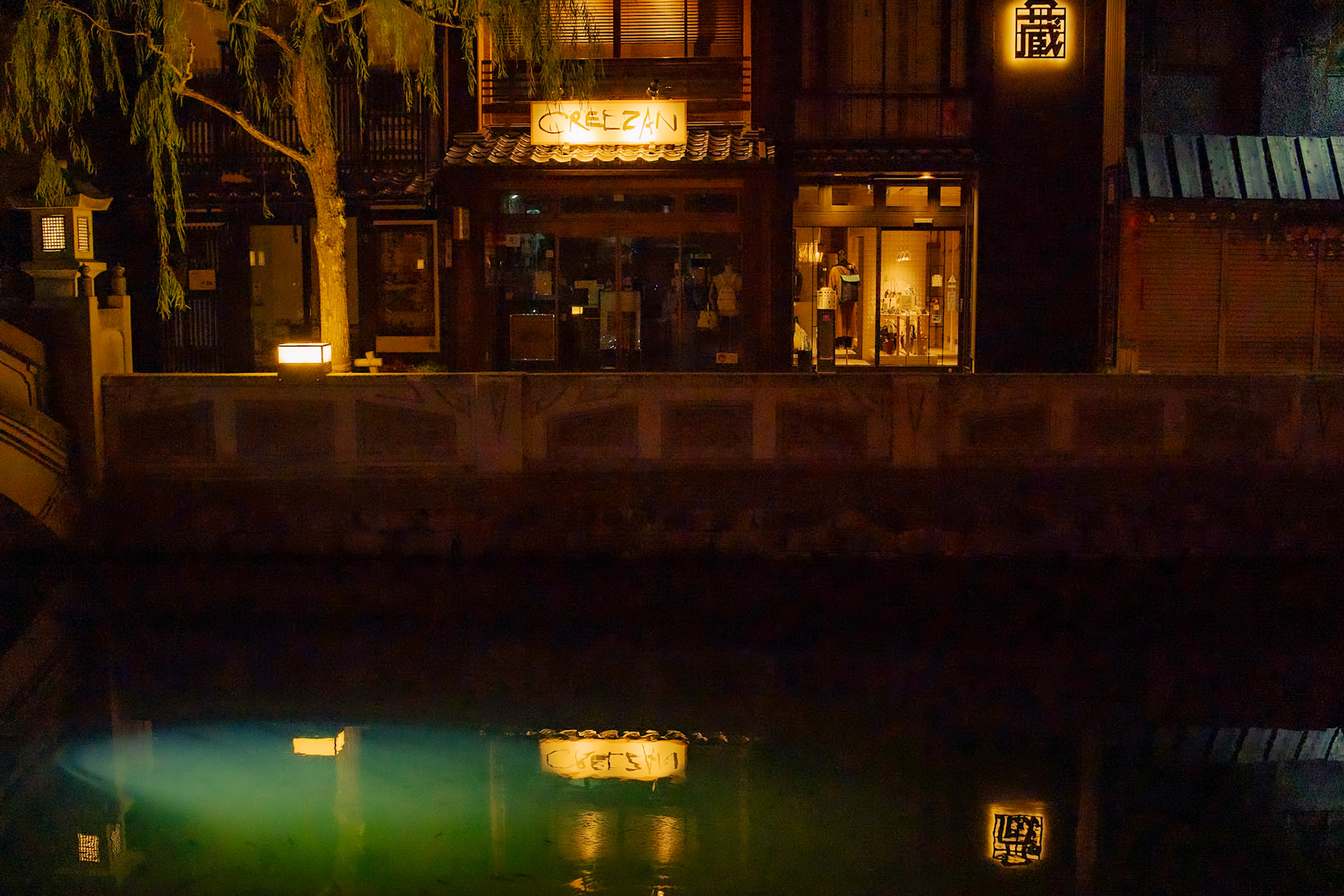
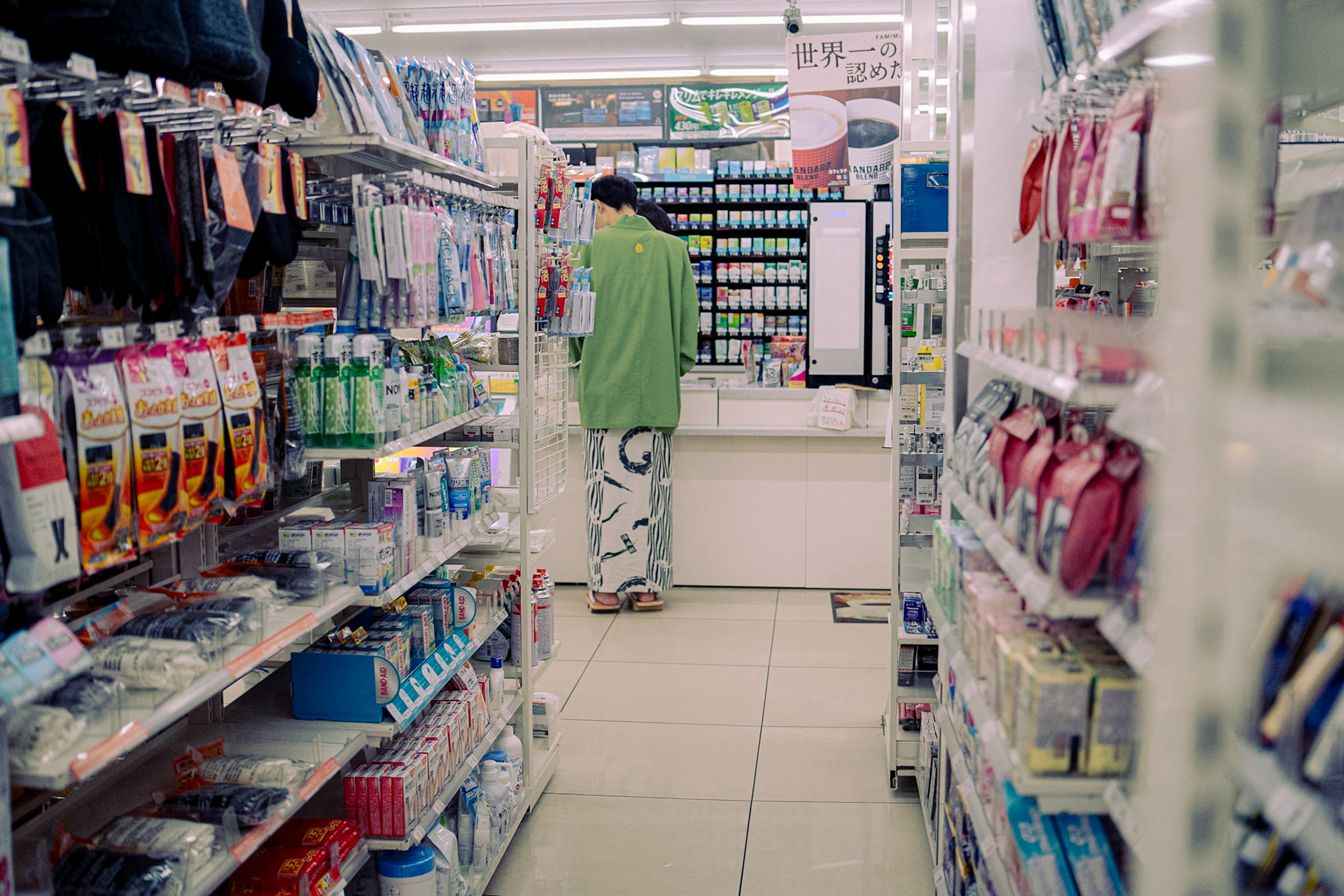
Family Mart
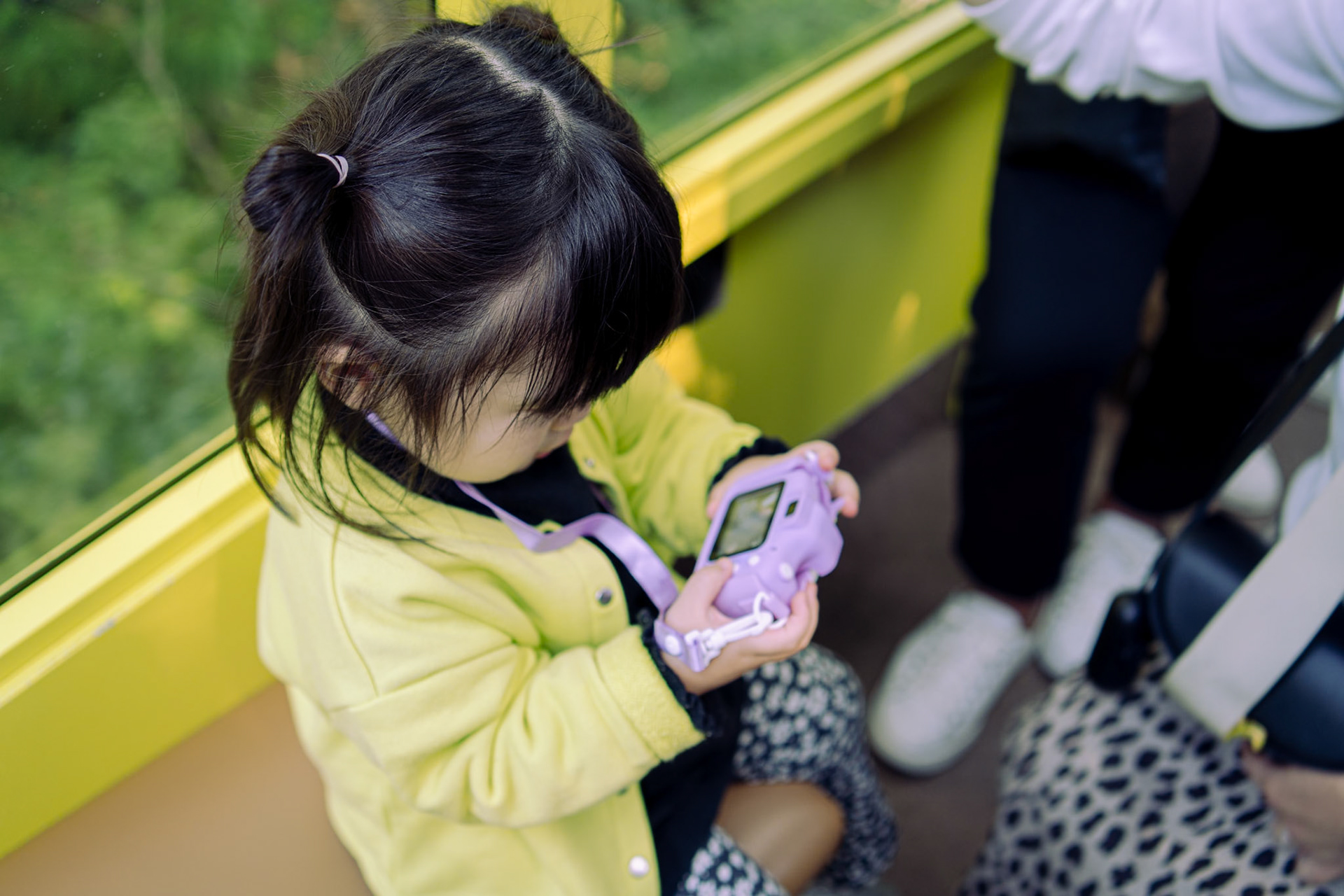
A cutie in the cable car
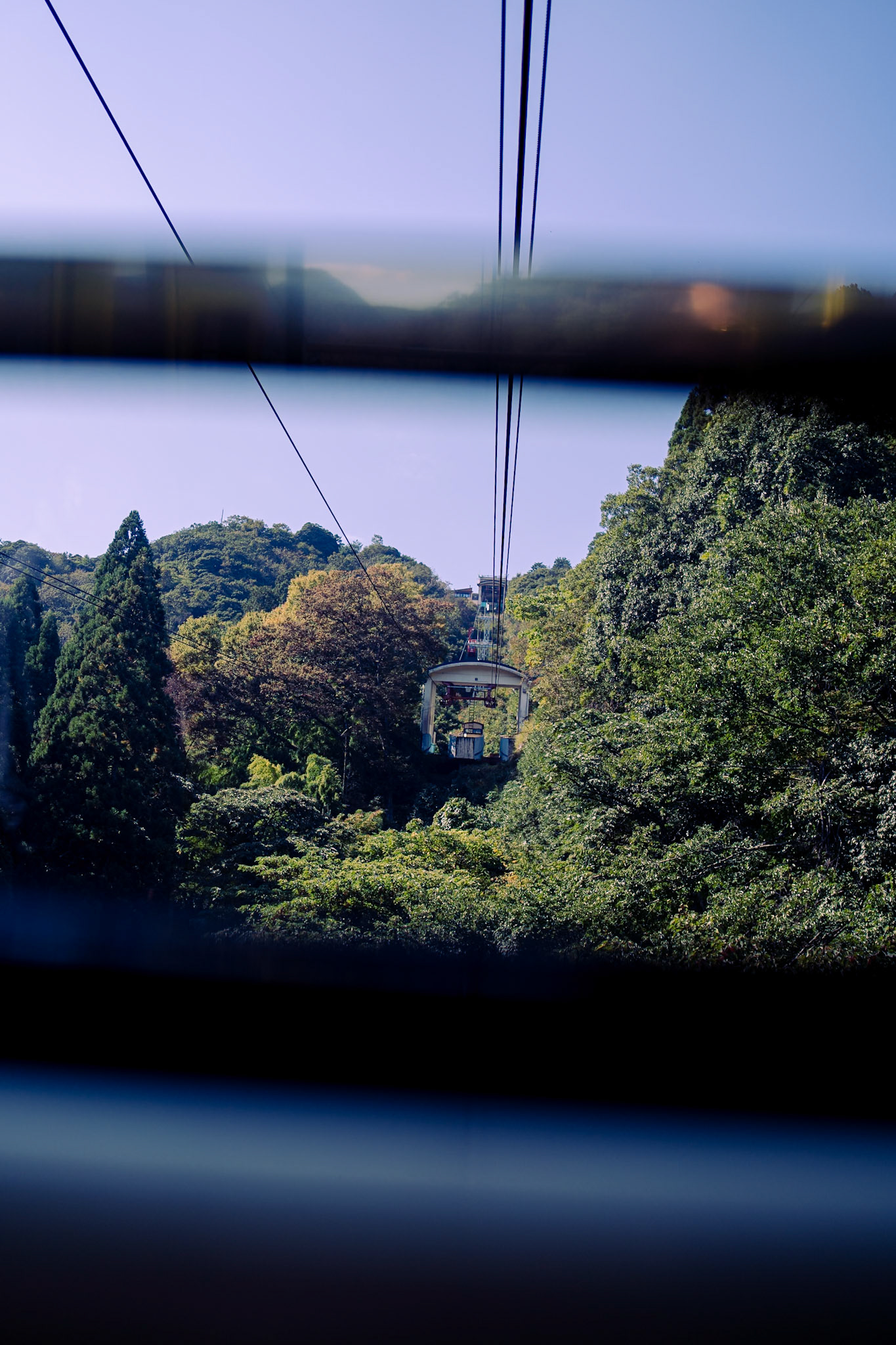
Kinosaki Ropeway
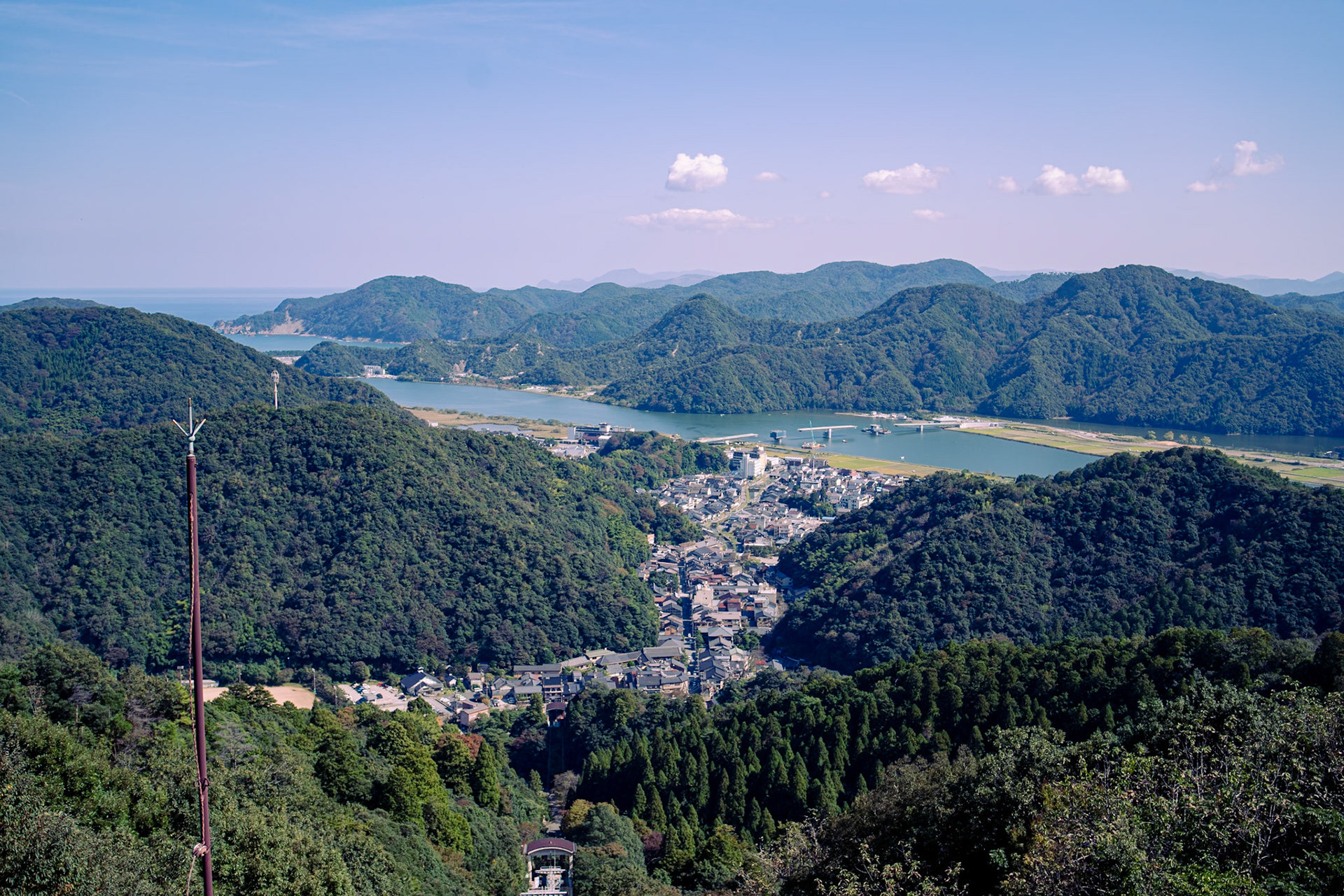
On top!
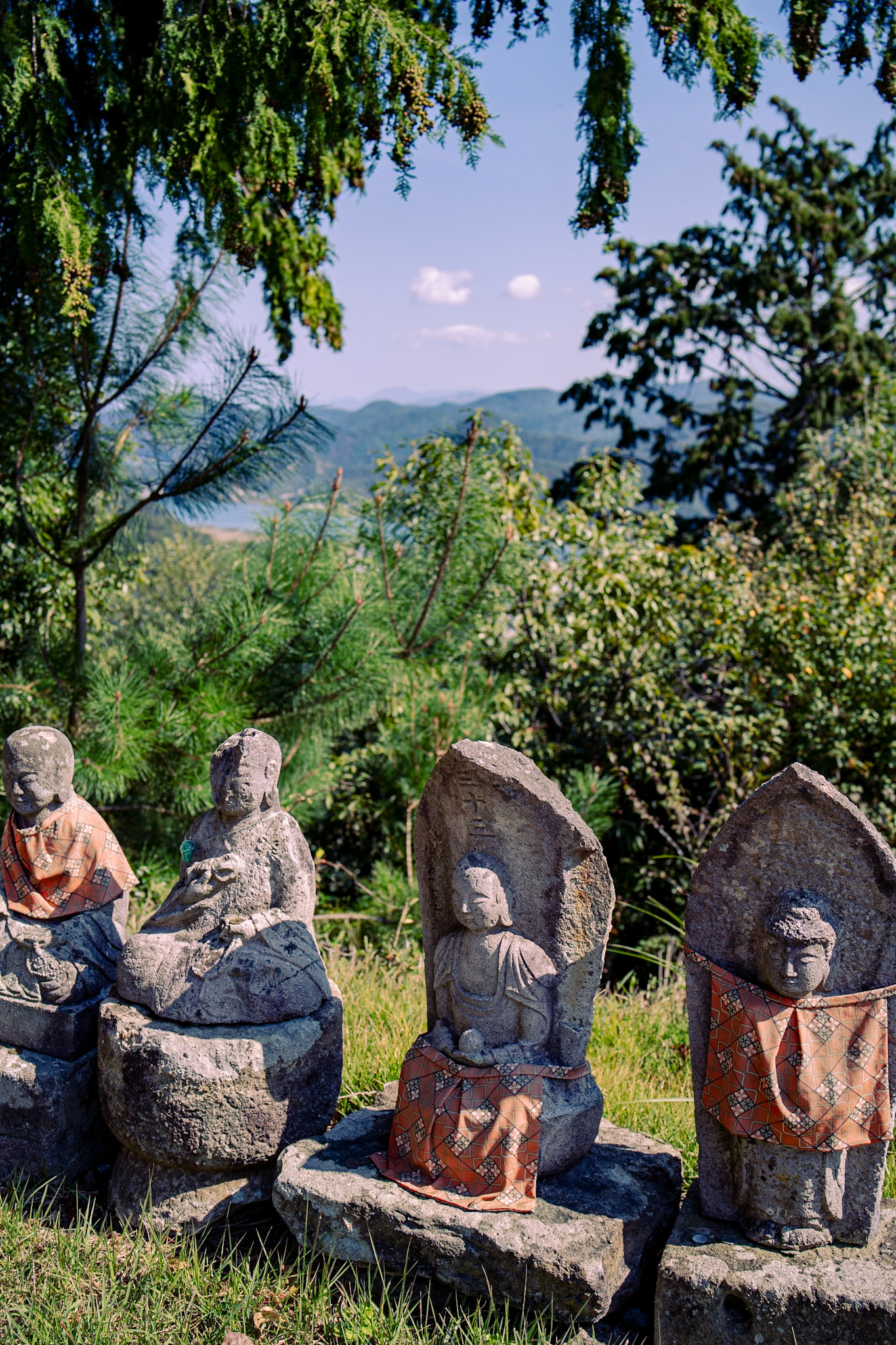
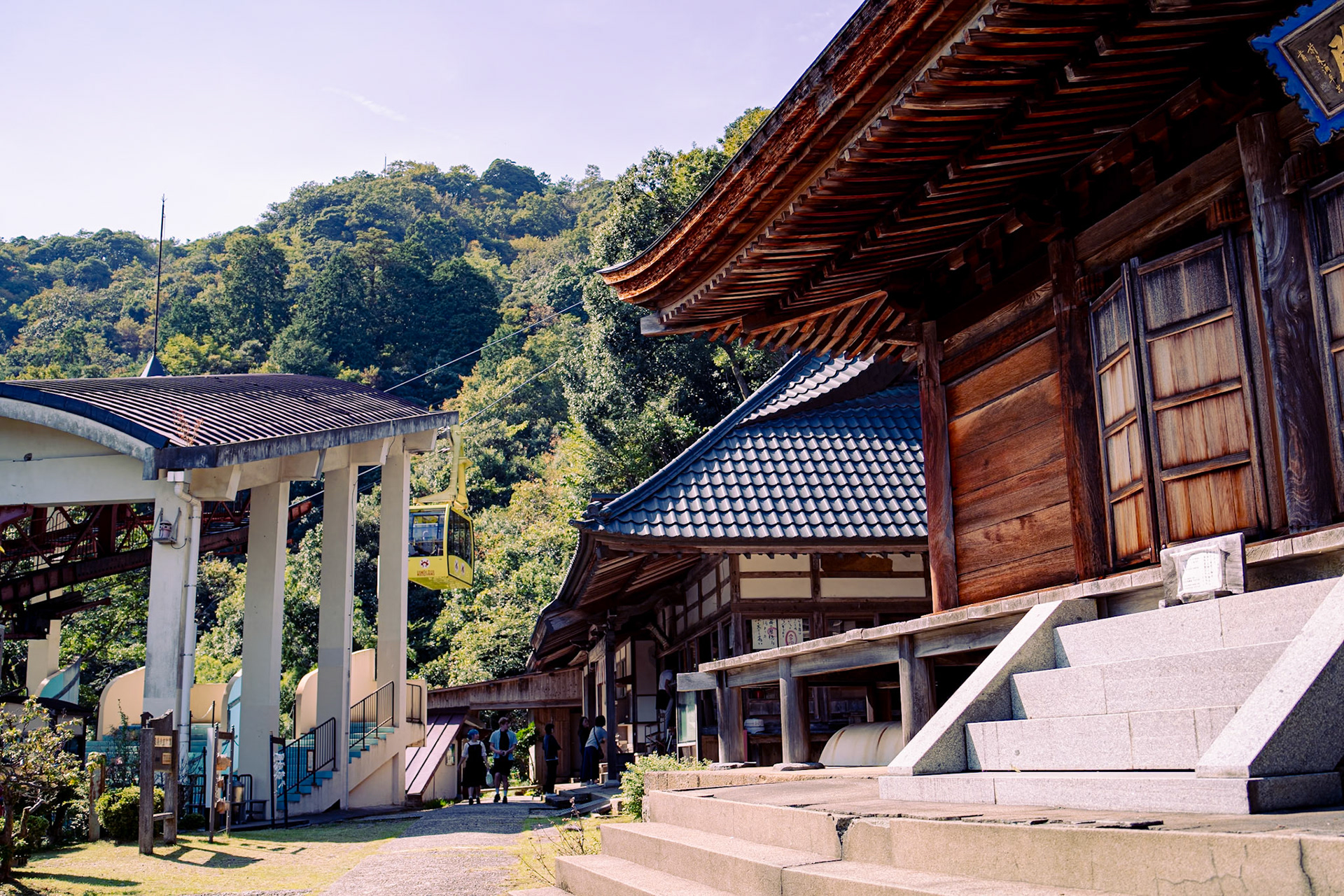
Osenji station
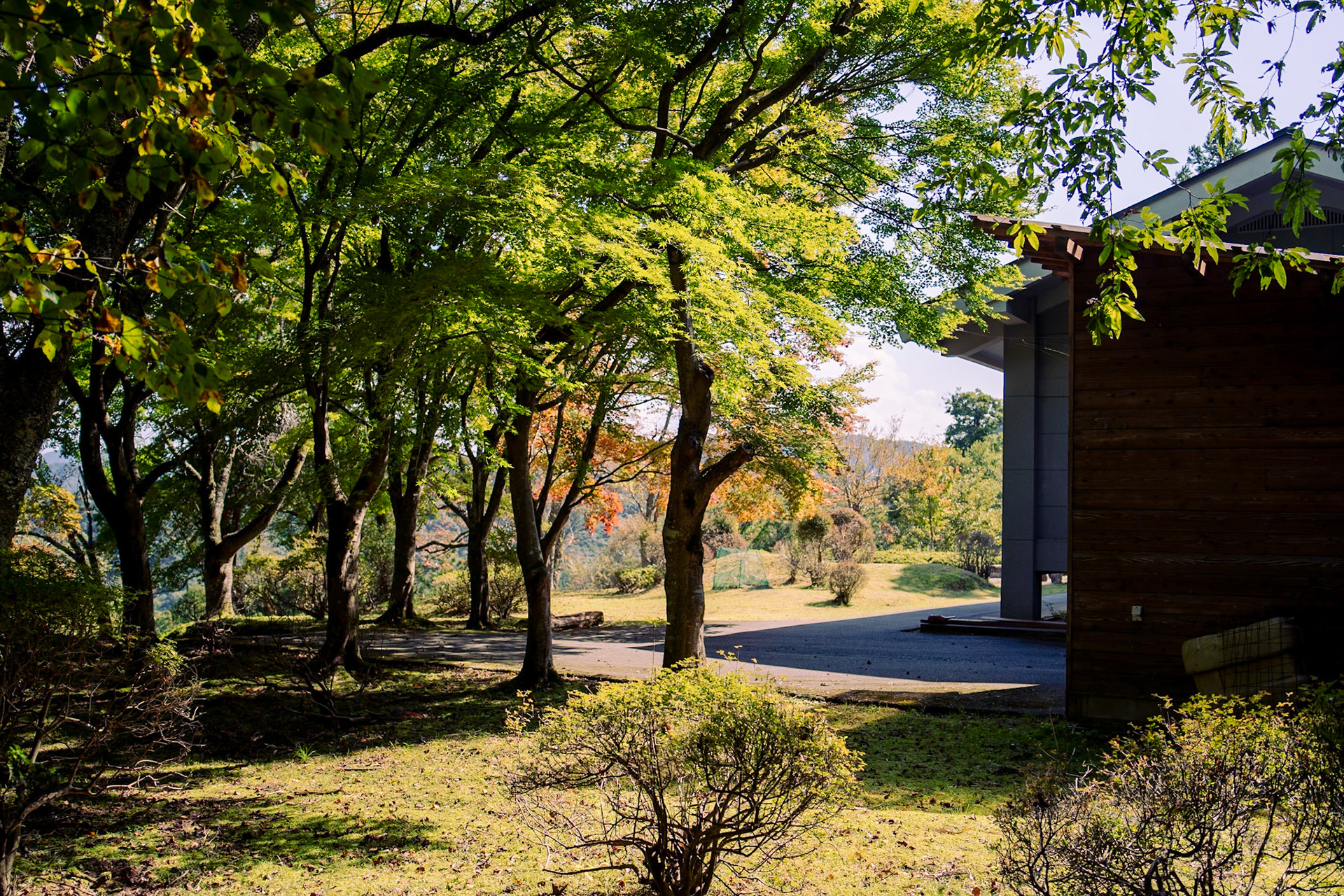
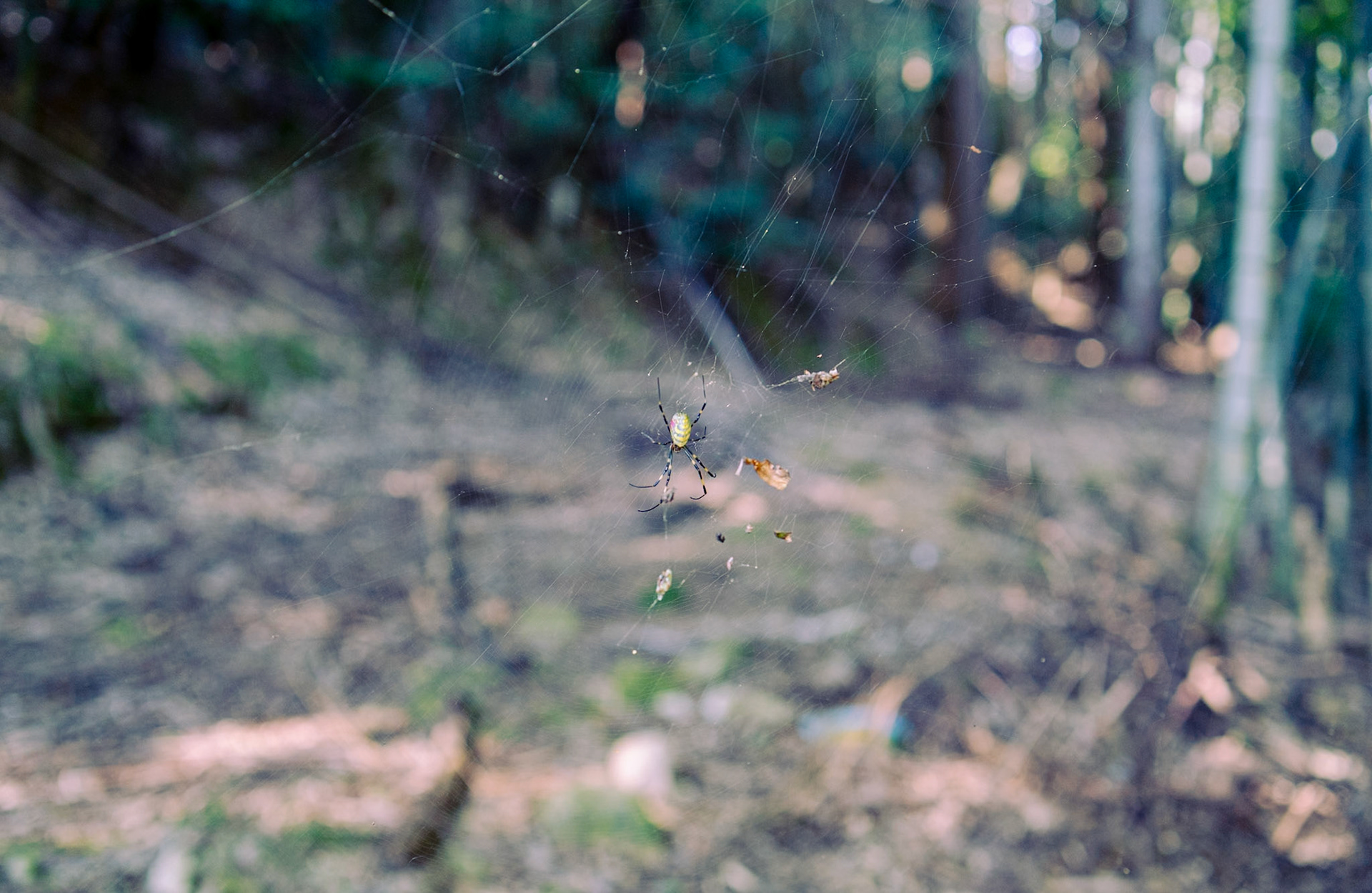
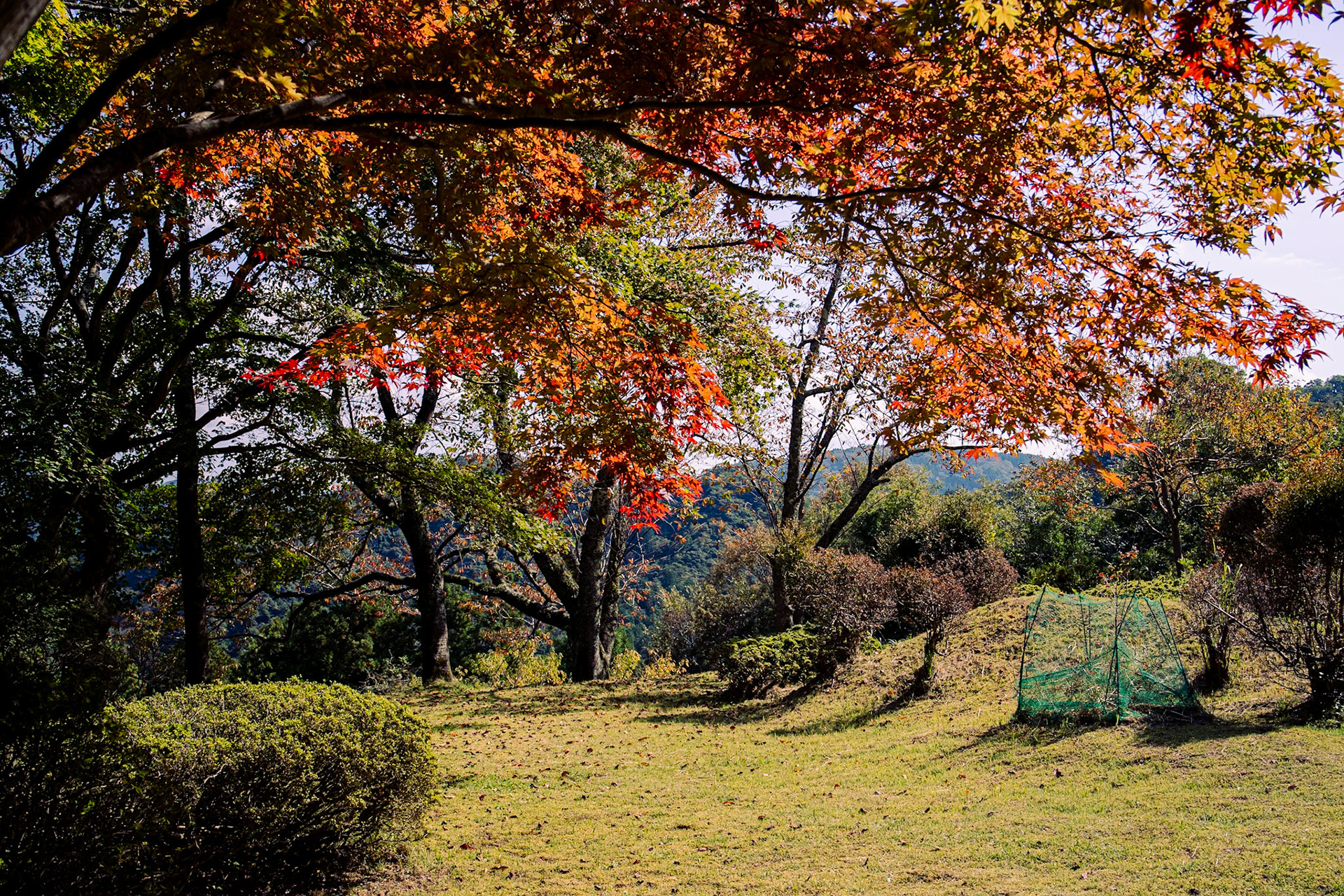
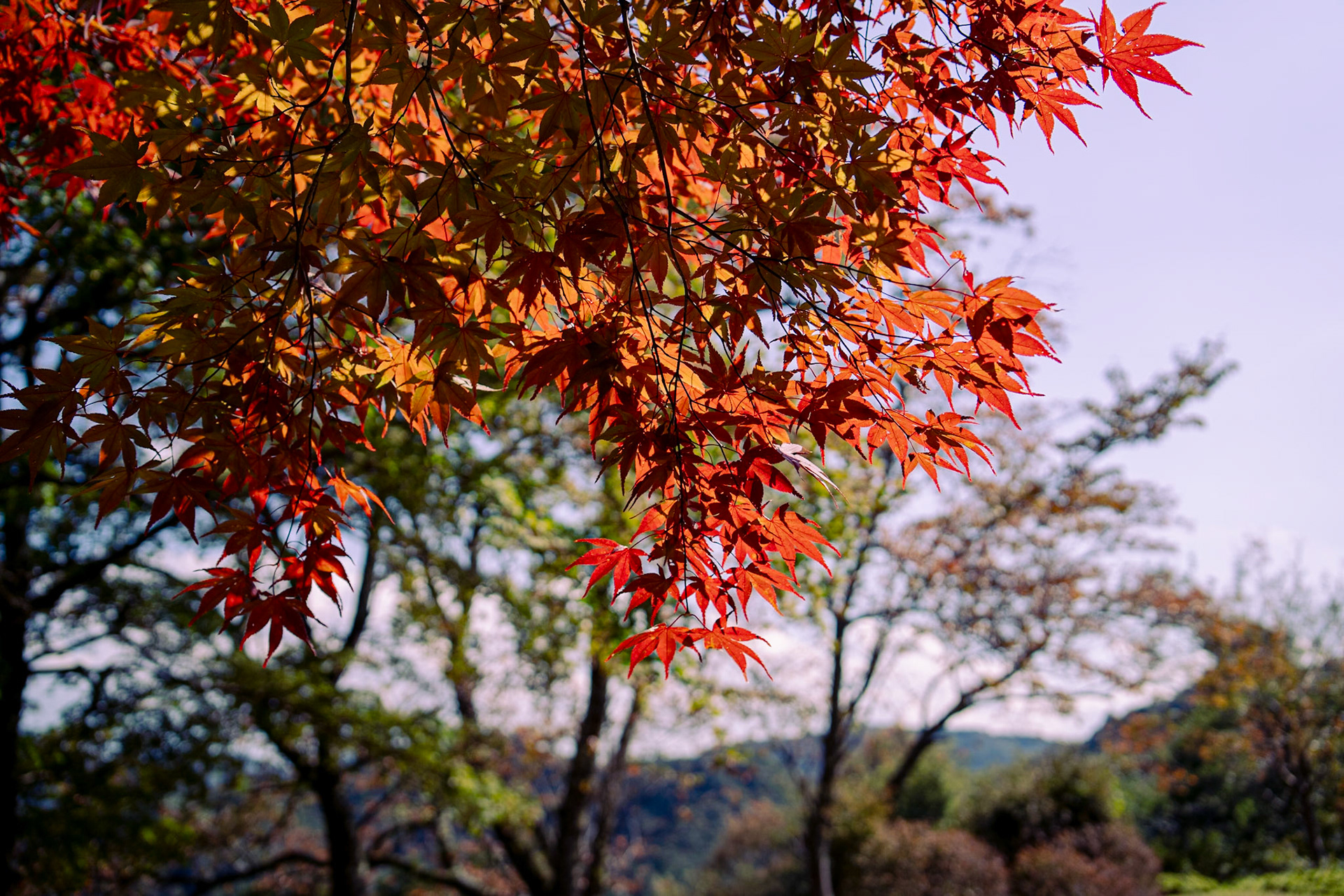
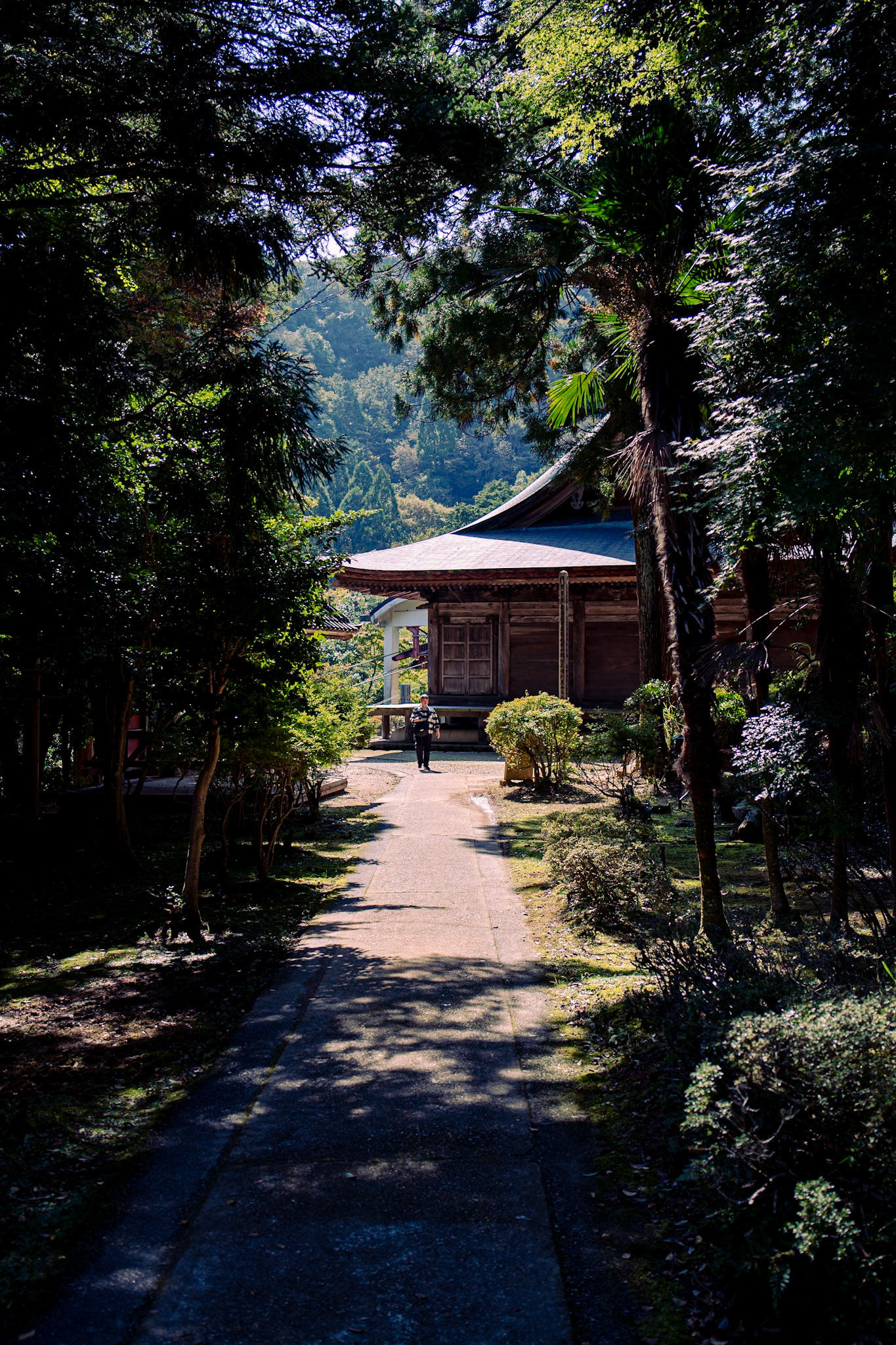
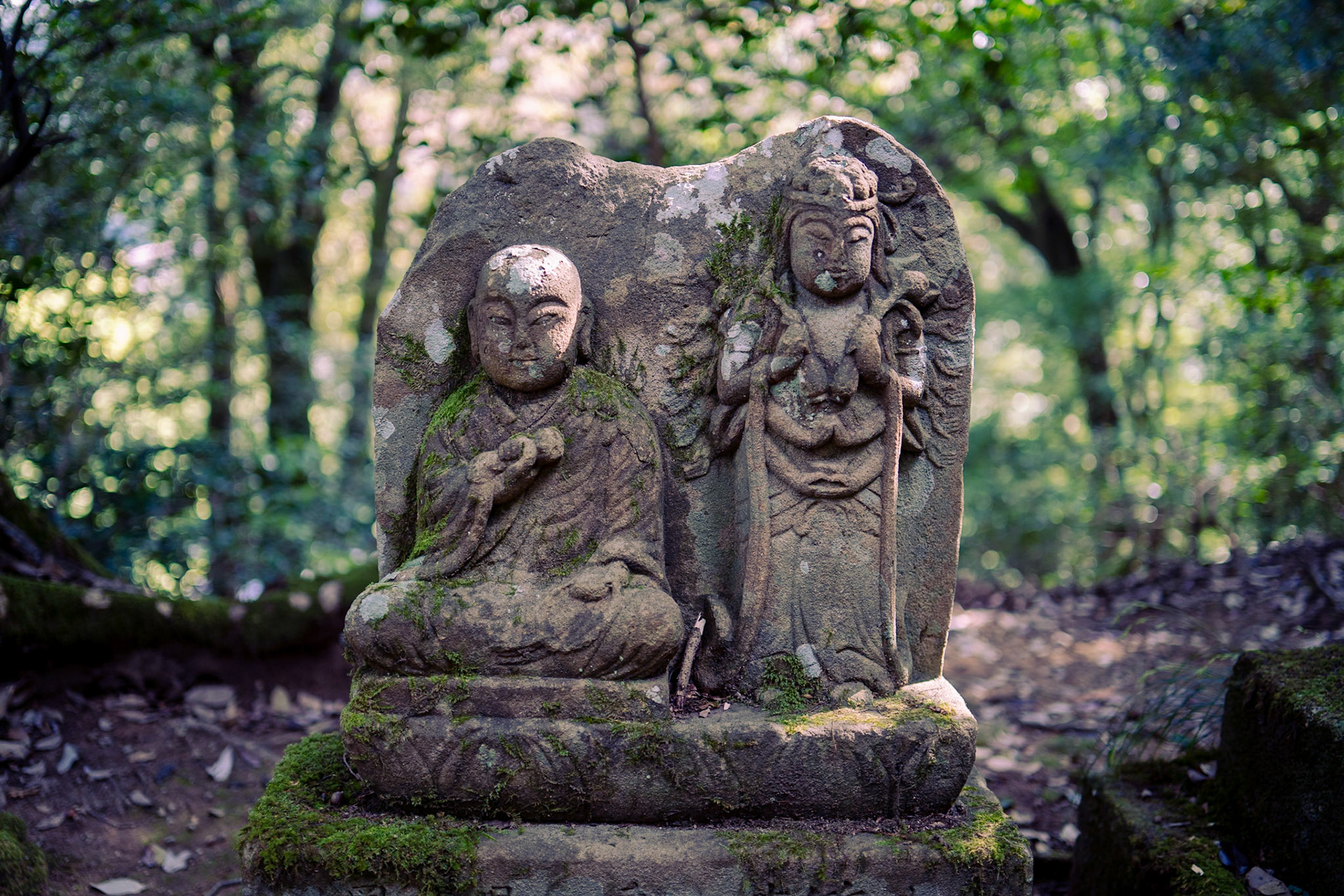
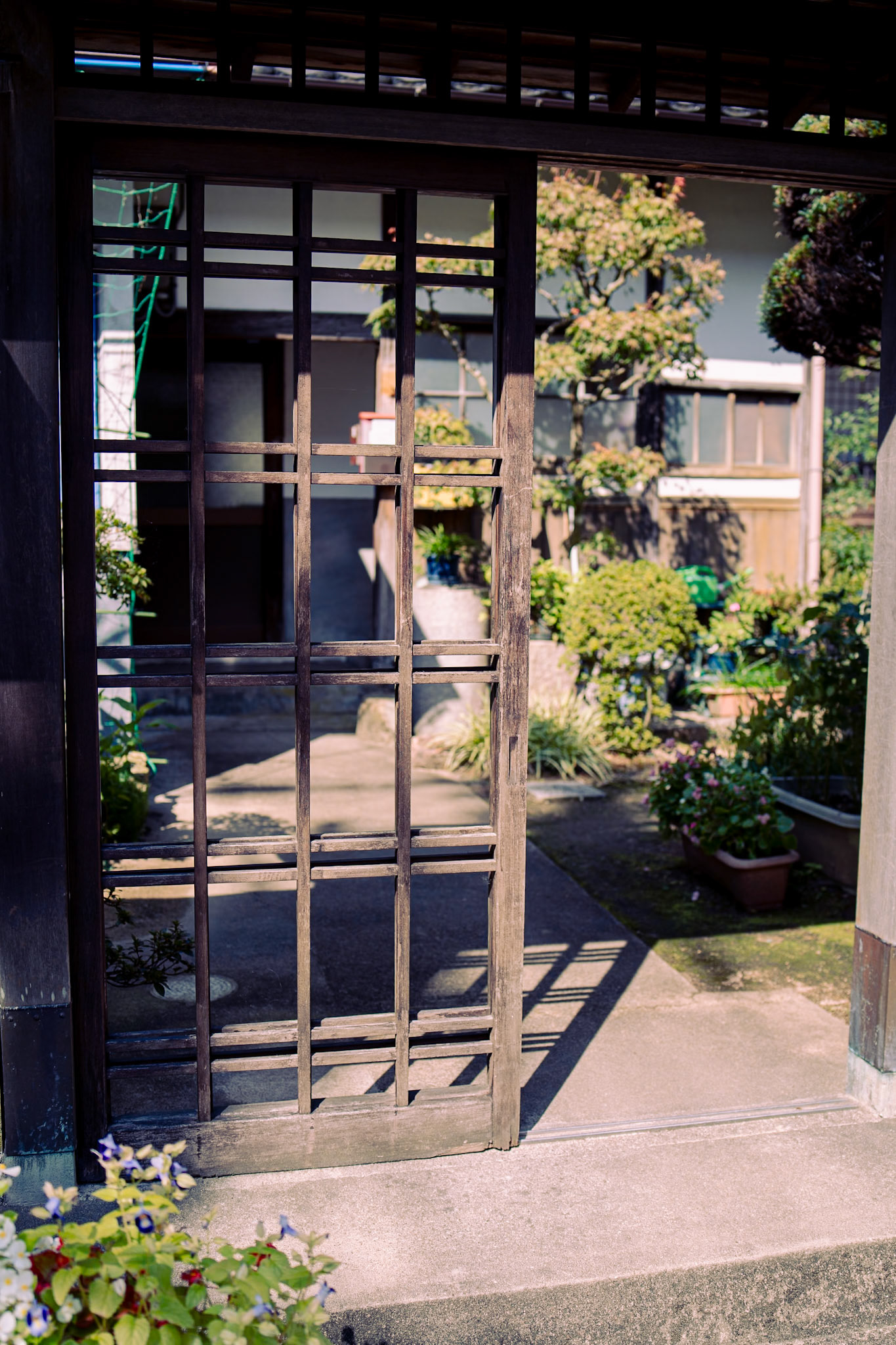
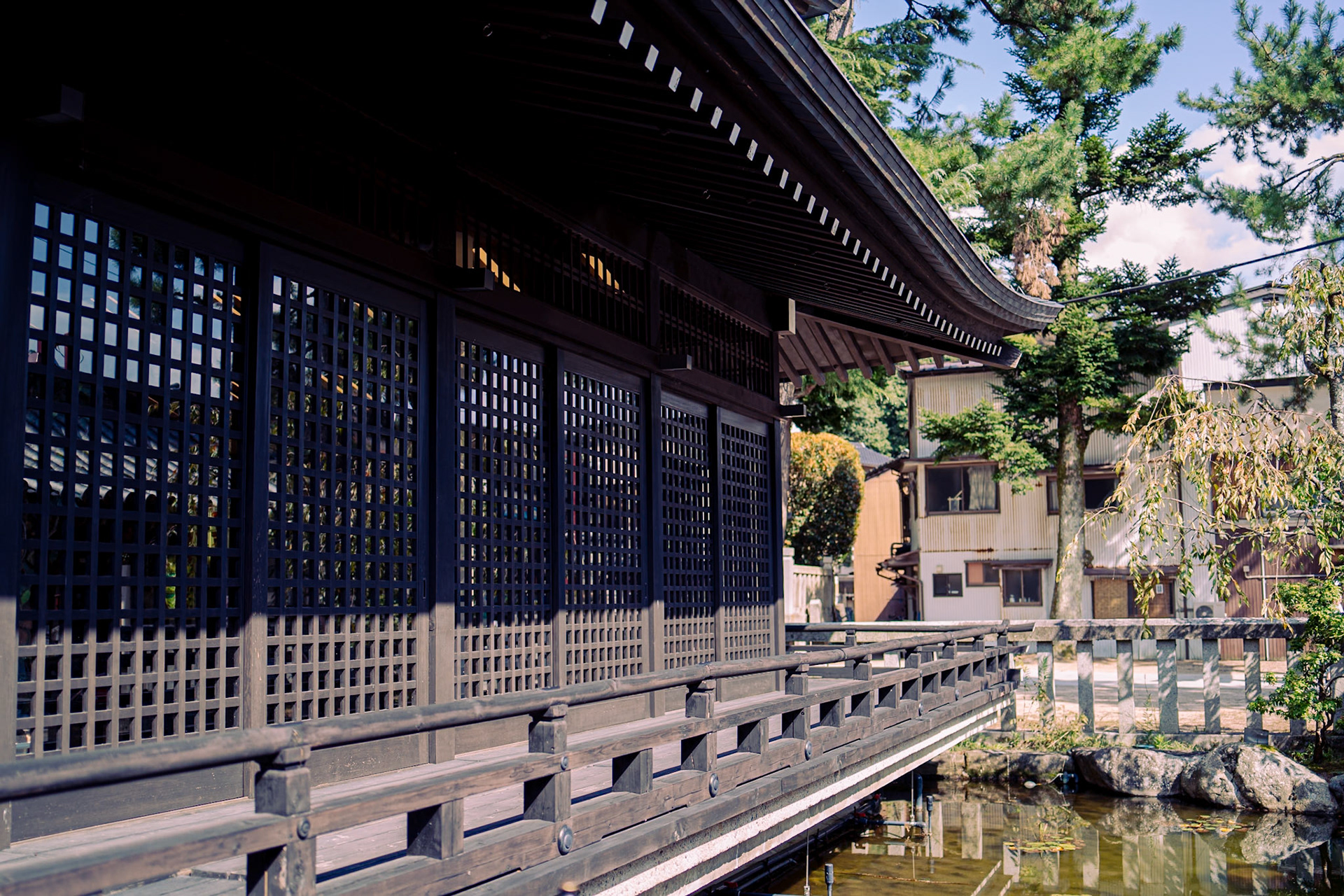
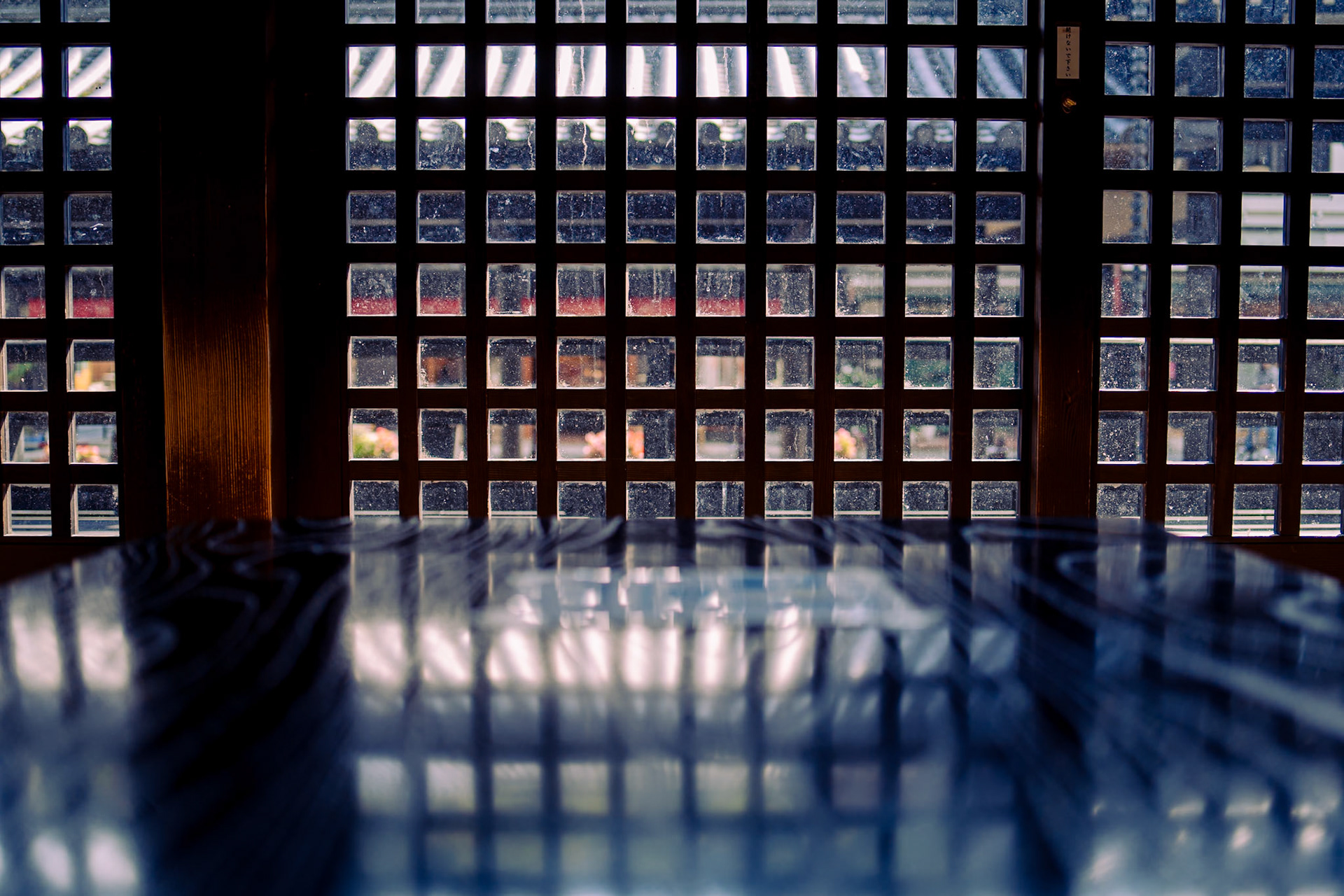
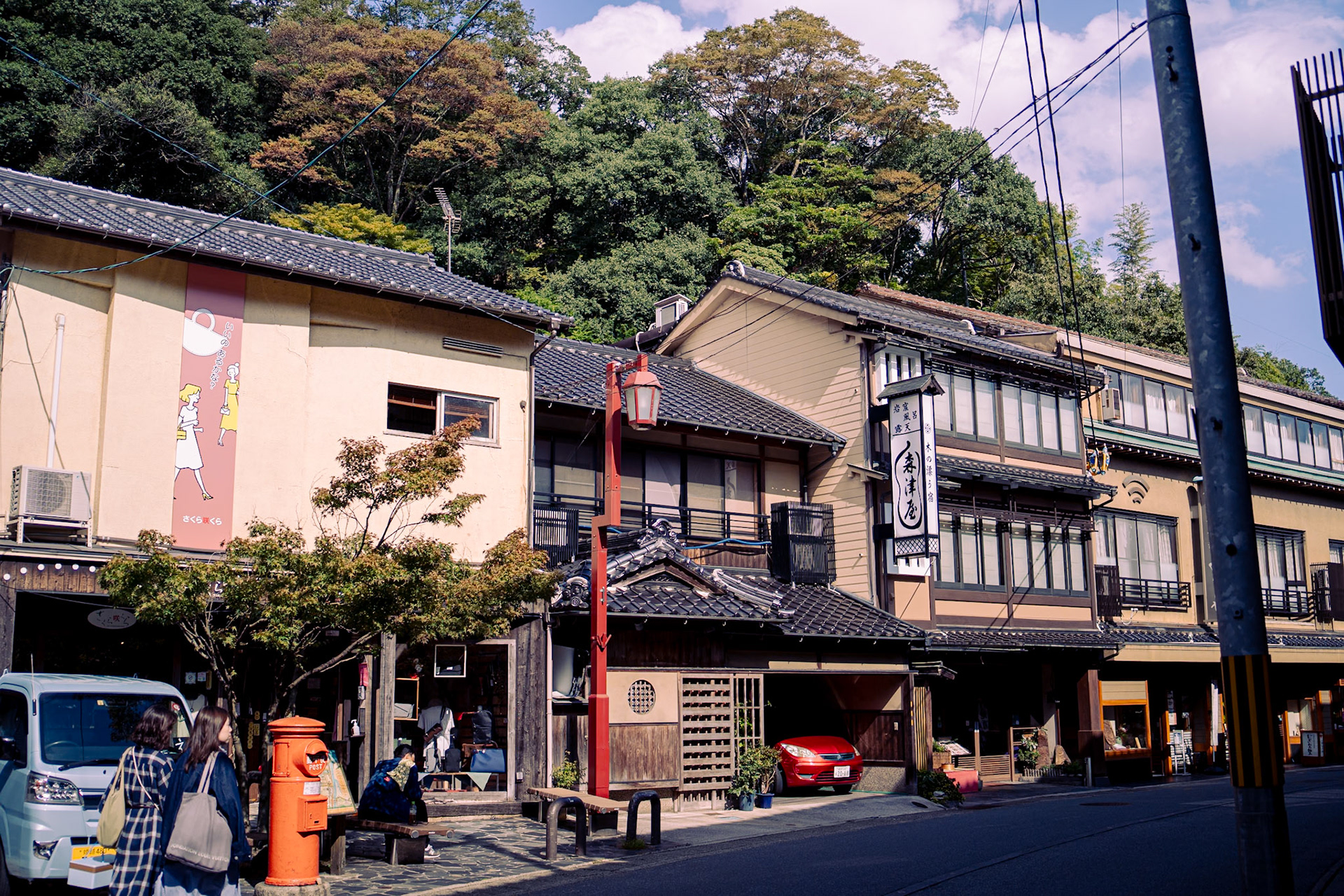
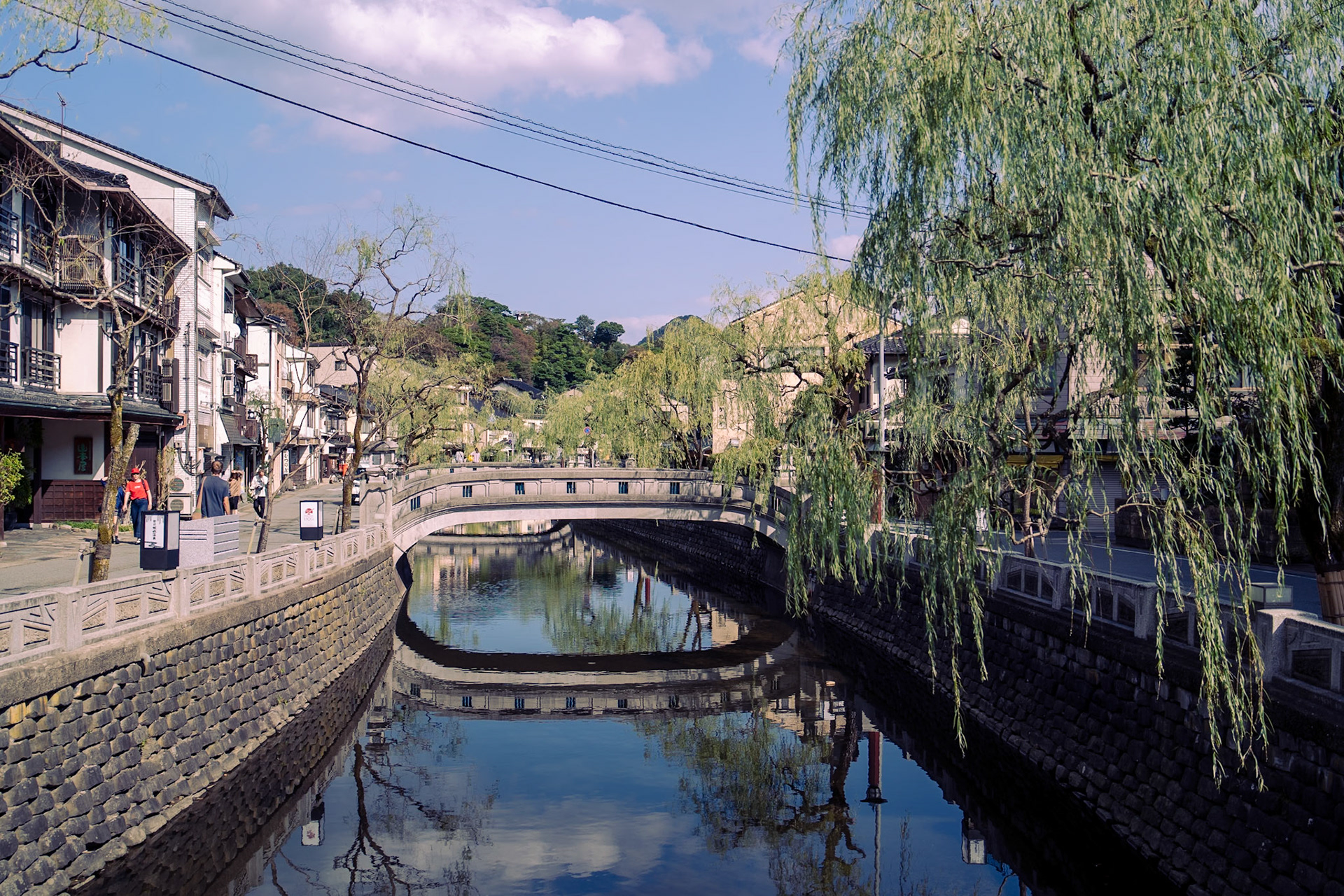
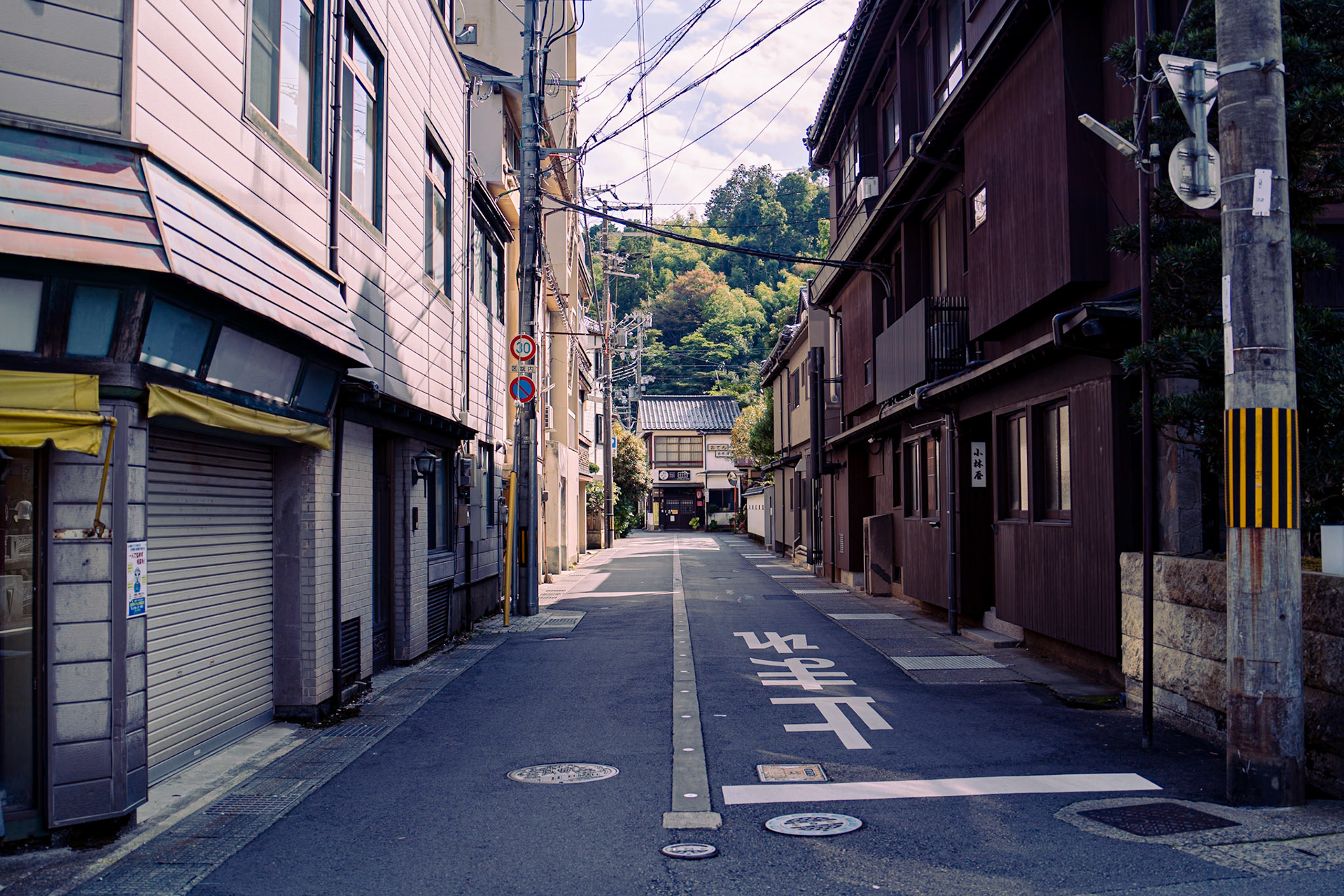
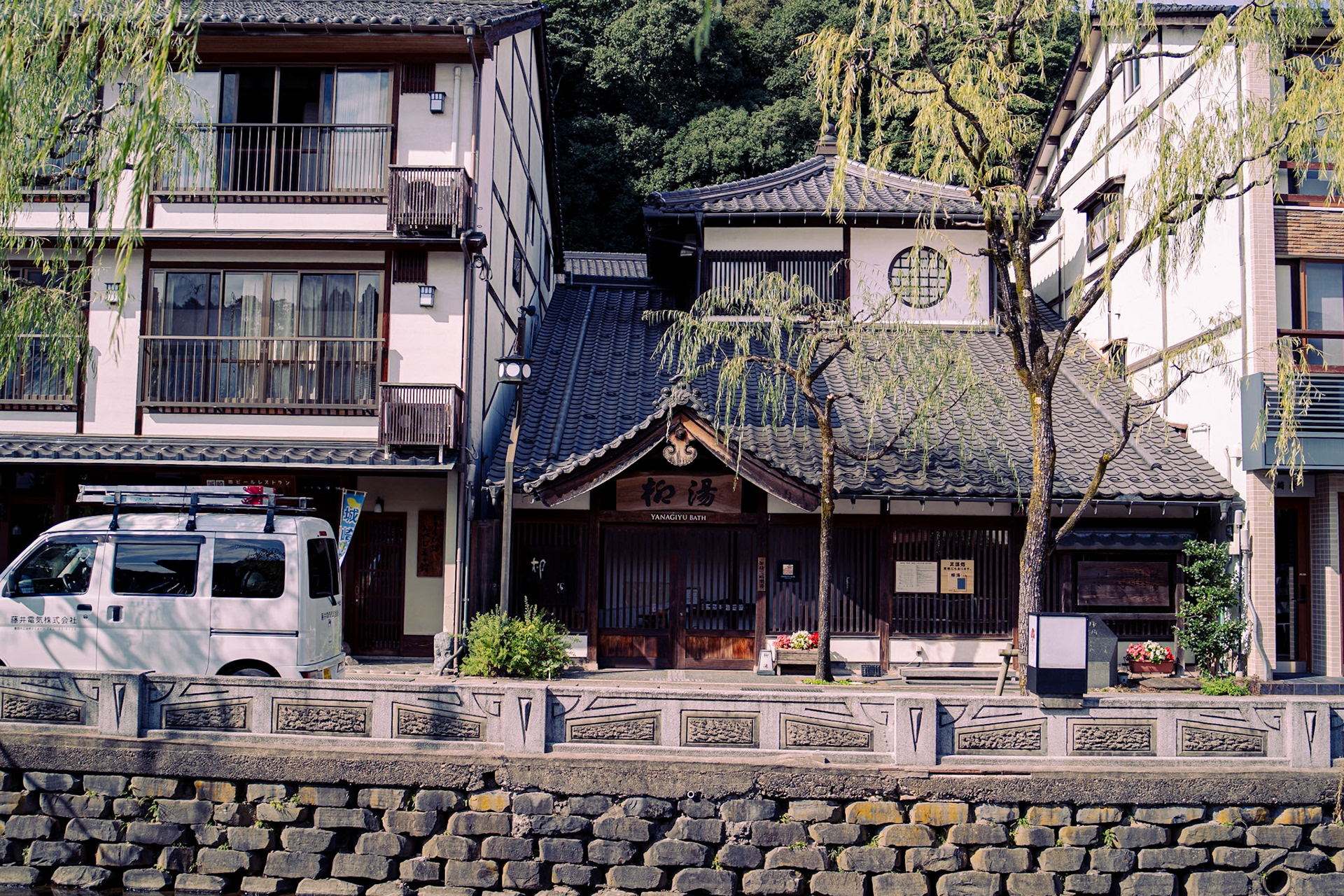
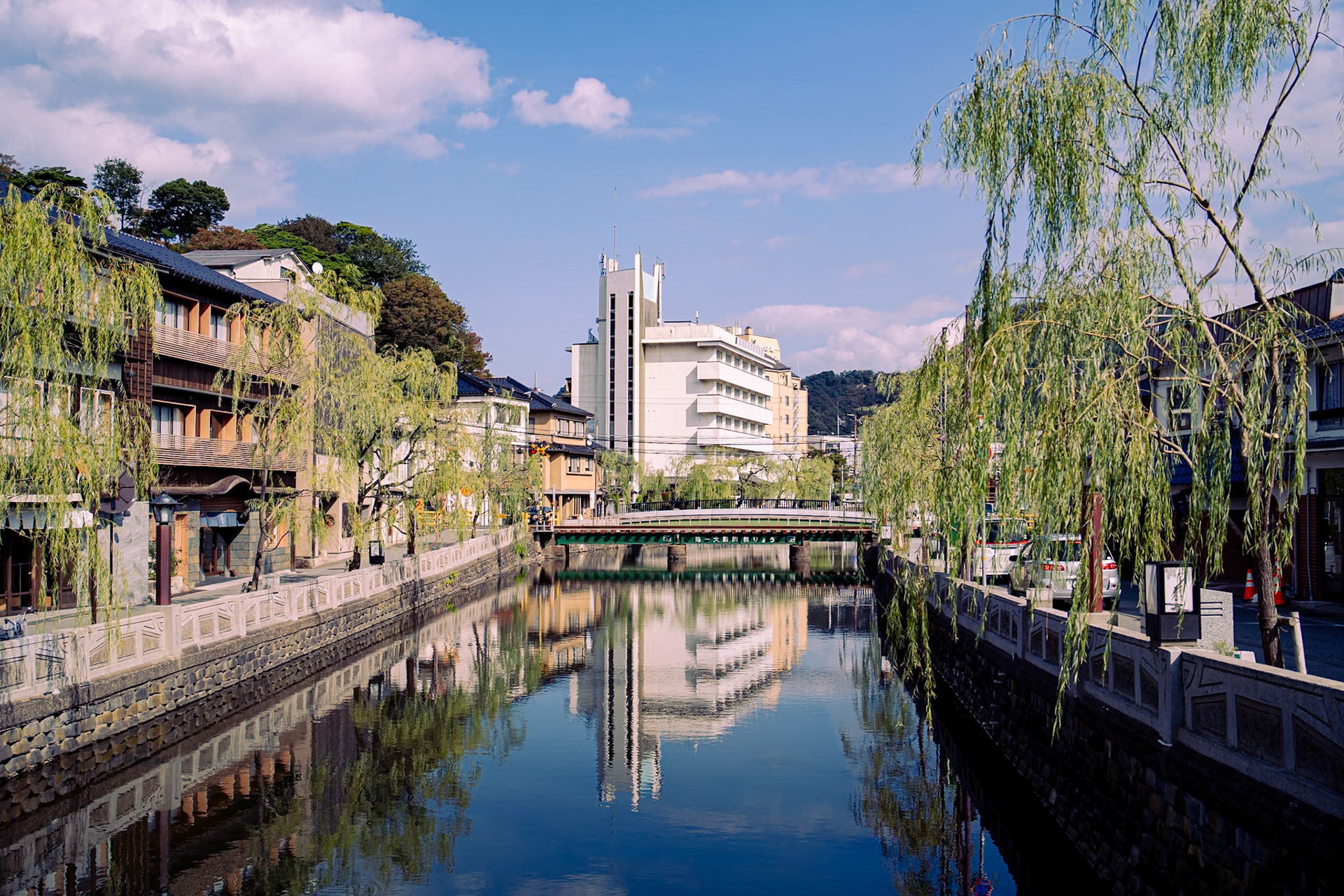
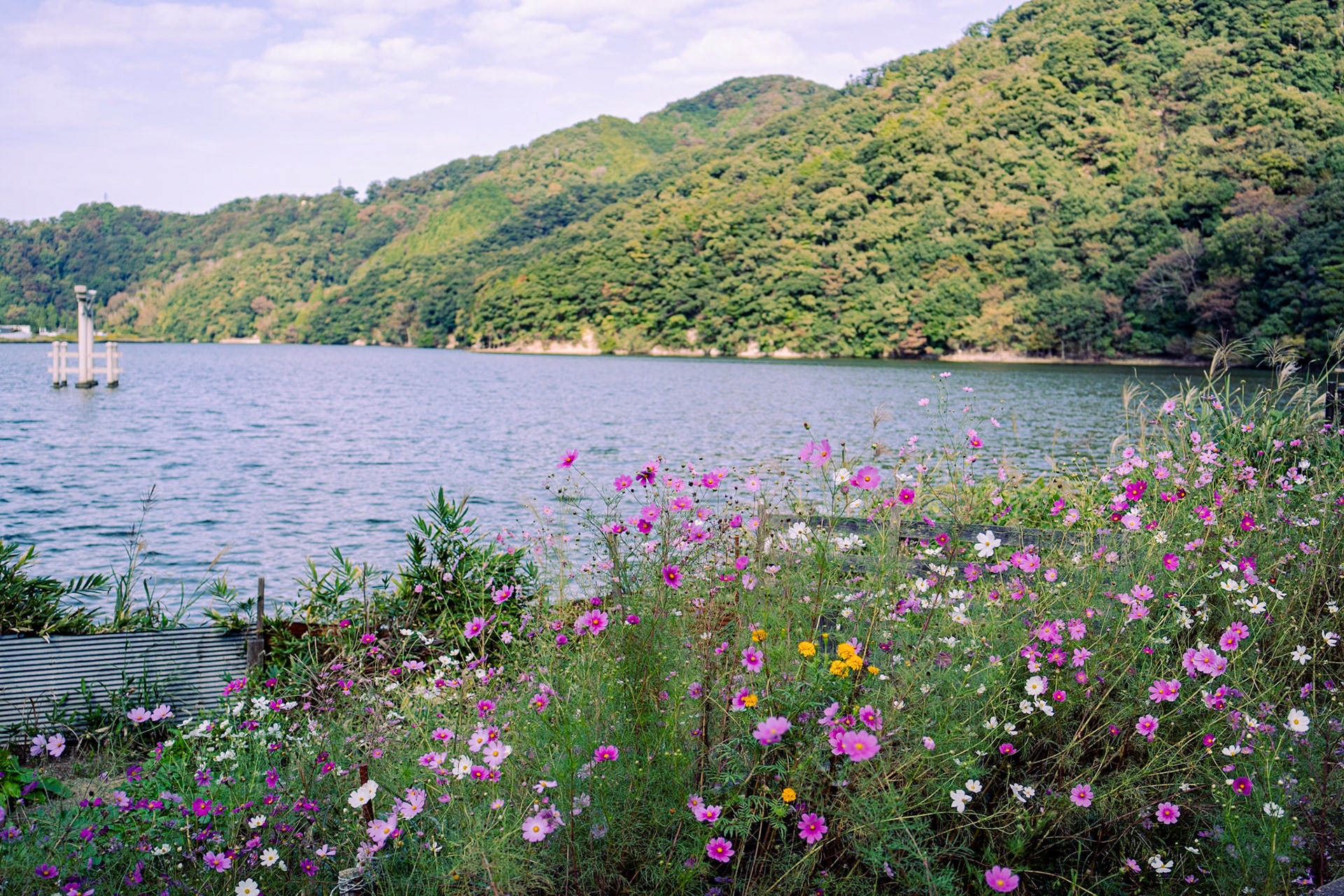
Views from my bikeride